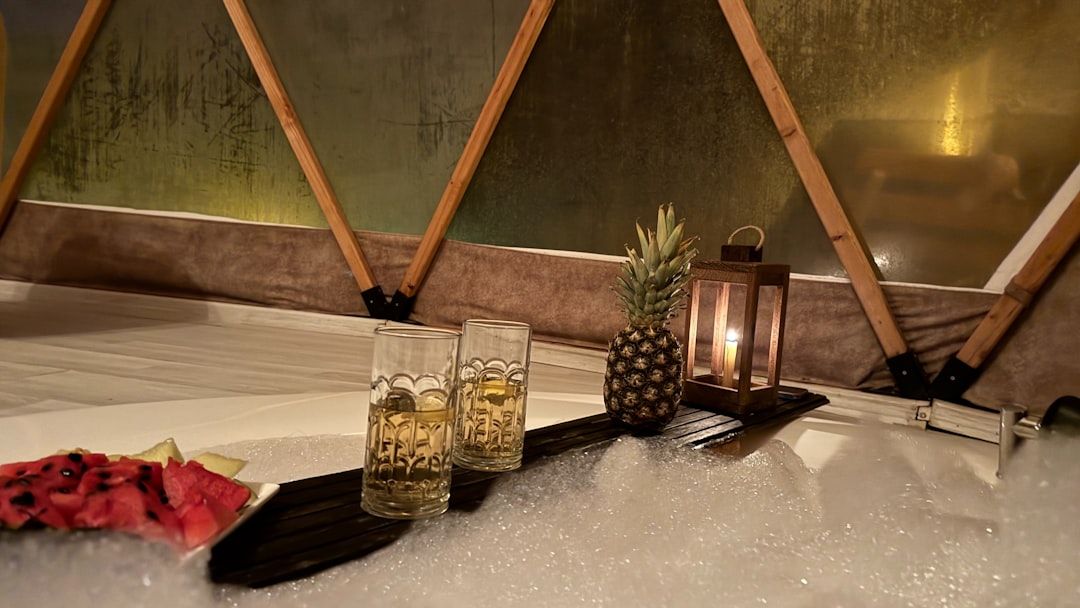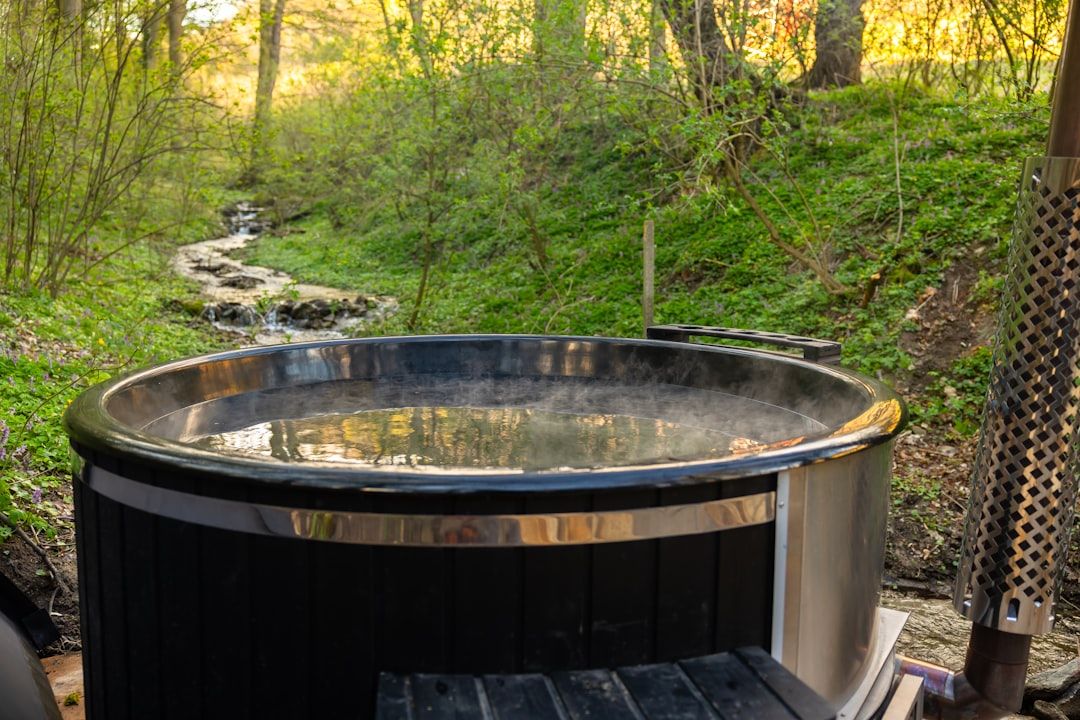
Iceland: a land of fire and ice, where glaciers meet geysers and the Northern Lights dazzle against an inky black sky. It's a country that offers adventure at every turn and, despite its name, a surprisingly verdant landscape. Here's our guide to adventure travel in Iceland, from the essential information to the unmissable experiences that make this country a thrill-seeker's paradise.

When to Go
Iceland's peak tourist season is during the summer months, from June to August, when the weather is warmest and the days are longest. However, visiting in the shoulder seasons (May or September) can offer a quieter, more authentic experience, with the added bonus of the Northern Lights making an appearance in late August and May. Winter travel (November to February) requires more planning and preparation, but rewards visitors with snowy landscapes, hot springs, and the chance to see the Northern Lights almost every night.
Getting There and Around
Keflavík International Airport, located near Reykjavík, is the main point of entry for most visitors to Iceland. From there, it's a short bus or taxi ride to the capital. Within Iceland, the best way to get around is by car, with a network of well-maintained roads (though some are unpaved) connecting the country's main attractions. Public transport is limited, but buses do run between major towns and cities. For the more adventurous, hitchhiking is a common and generally safe way to get around.
Accommodation
Iceland offers a range of accommodation options, from luxury hotels and guesthouses to budget hostels and camping. Prices can be high, especially in Reykjavík and during the peak summer season, so it's worth booking in advance. For a truly unique experience, consider staying in a turf house, a traditional Icelandic building made from turf, stone, and wood. Prices start from around £60 per night.
Adventure Activities
Iceland is a playground for adventure travellers, with a range of activities to suit all interests and abilities. Here are just a few of the unmissable experiences on offer:
Hiking
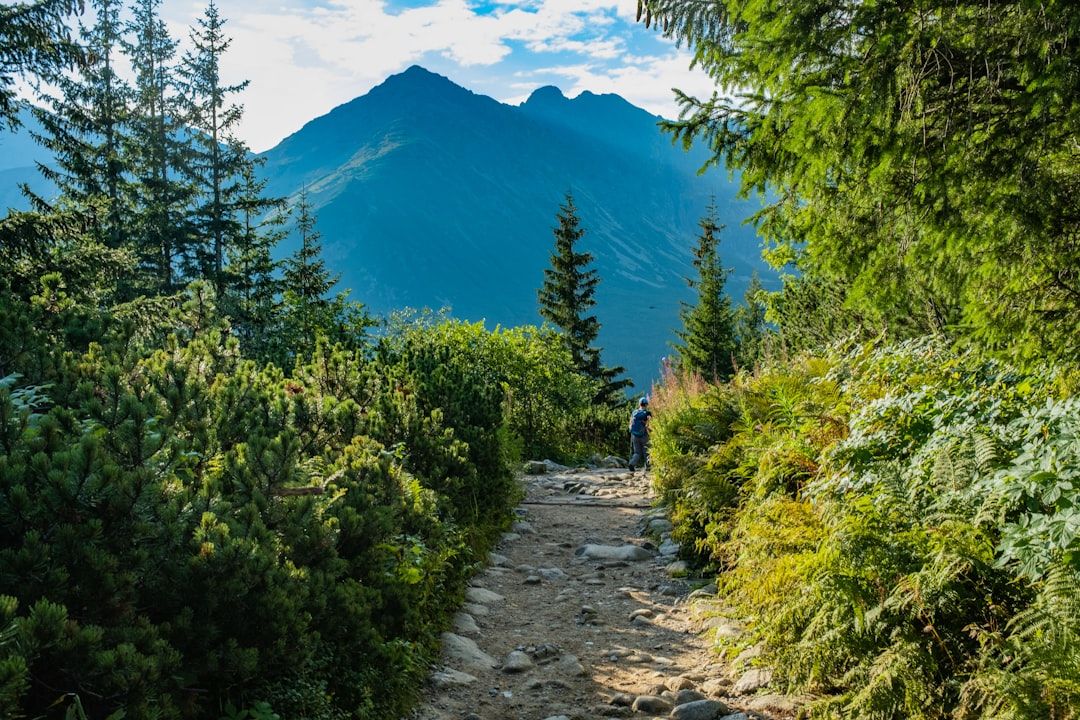
Iceland's diverse landscape offers hiking opportunities for all abilities, from gentle strolls along coastal paths to challenging multi-day treks in the highlands. One of the most popular hikes is the Laugavegur Trail, a four-day trek through volcanic landscapes, hot springs, and glaciers. The trail is open from mid-June to mid-September, and costs around £100 for a guided tour. For a more leisurely hike, try the Skaftafell Nature Reserve, where trails lead to glaciers, waterfalls, and the handsome Svartifoss waterfall.
Glacier Walking
Iceland is home to some of the largest glaciers in Europe, and glacier walking is a unique and exhilarating way to explore them. Tours typically cost around £100 and include all necessary equipment, such as crampons and ice axes. Popular glaciers for walking include Vatnajökull, Europe's largest glacier, and Sólheimajökull, a more accessible glacier near Reykjavík. Be sure to book in advance, as tours can fill up quickly.
Volcano Tours
Iceland is a country of volcanic activity, and visiting a volcano is a must for any adventure traveller. Tours to the Eyjafjallajökull volcano, which famously erupted in 2010, cost around £100 and include a guided hike to the crater. For a more challenging experience, try the Fagradalsfjall volcano, which erupted in 2021 and is still active. Tours cost around £200 and include a guided hike to the crater, where you can witness the molten lava up close.
Whale Watching
Iceland is one of the best places in the world for whale watching, with a variety of species, including blue whales, humpbacks, and orcas, migrating to the waters around Iceland from April to October. Tours cost around £50 and last around three hours. Popular spots for whale watching include Reykjavík, Húsavík, and Akureyri.
Food and Drink
Icelandic cuisine is a unique blend of traditional and modern, with an emphasis on fresh, local ingredients. Seafood is a staple, with dishes such as hákarl (fermented shark) and slátur (blood pudding) offering a taste of Iceland's Viking past. For a more modern take on Icelandic cuisine, try Reykjavík's thriving food scene, where restaurants such as Dill and Grillmarkaðurinn offer innovative dishes using locally sourced ingredients.
Safety
Iceland is a safe country, but adventure travellers should still take precautions. The weather can be unpredictable, with sudden storms and high winds, so always check the forecast before setting out on a hike. Be sure to pack warm clothing, waterproofs, and sturdy footwear, and carry a map, compass, and first aid kit. If you're planning to visit a volcano or glacier, be sure to book a tour with a reputable company and follow their safety instructions.
What flights LON to REK actually cost
Prices below are live fares from Aviasales. We may earn a commission if you book through these links, at no extra cost to you.
The cheapest return found right now is €86 with easyJet, departing 20 Nov 2026 (3h 25m each way). See current fares.
Cheapest dates to fly
| Departure | Price | Airline | Stops | |
|---|---|---|---|---|
| 20 Nov 2026 | €86 | easyJet | Direct | Check |
| 1 Nov 2026 | €89 | easyJet | Direct | Check |
| 31 Oct 2026 | €92 | easyJet | Direct | Check |
| 6 Nov 2026 | €106 | easyJet | Direct | Check |
| 5 Nov 2026 | €107 | easyJet | Direct | Check |
Live fares, checked 16 Aug 2026. Prices change daily.
Booking in Reykjavik: where to look
We may earn a commission from the links below, at no extra cost to you. We only list services we would use ourselves.
- Tiqets — Instant mobile tickets for museums and landmarks
- Klook — Attraction tickets and passes, strong in Asia
- KKday — Local experiences and day tours
- QEEQ — Car hire comparison with price drop alerts
Conclusion
Iceland is a country of adventure, where glaciers meet geysers and the Northern Lights dazzle against an inky black sky. From hiking and glacier walking to volcano tours and whale watching, there's something for every adventure traveller in Iceland. So pack your bags, lace up your boots, and get ready to explore this land of fire and ice.