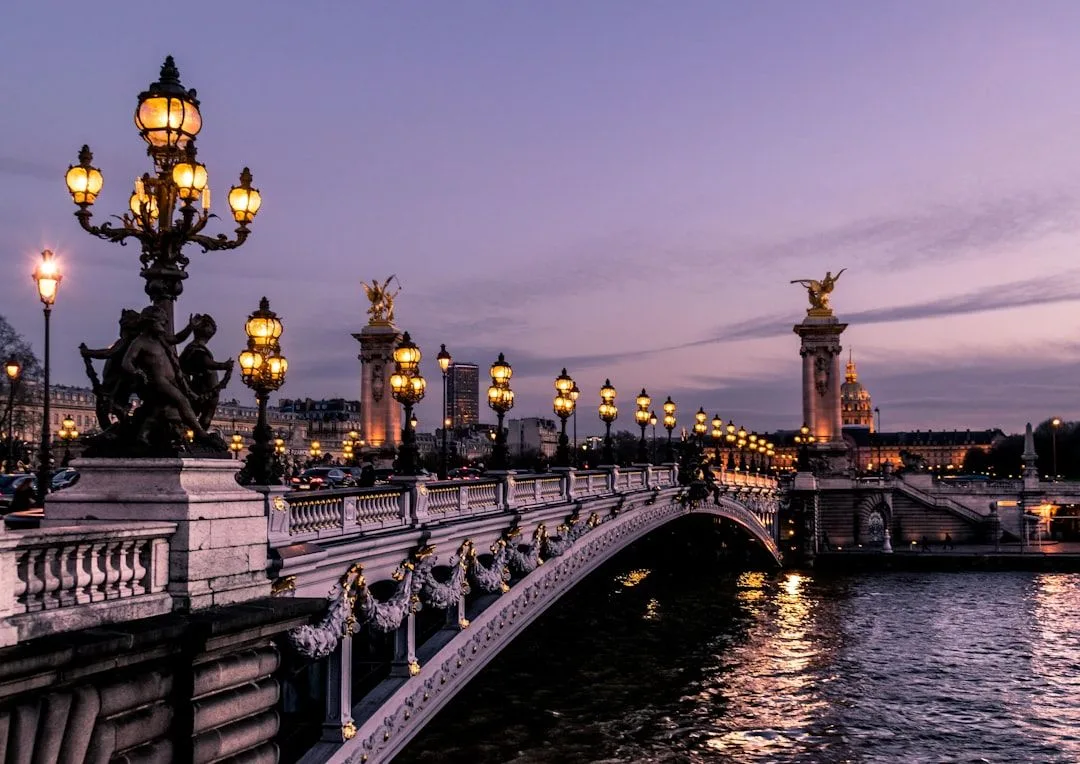
France has Alps, Pyrenees, extinct volcanoes, the deepest gorge in Europe and two coasts. Almost none of it is reachable without a car, which is the practical fact most planning misses.
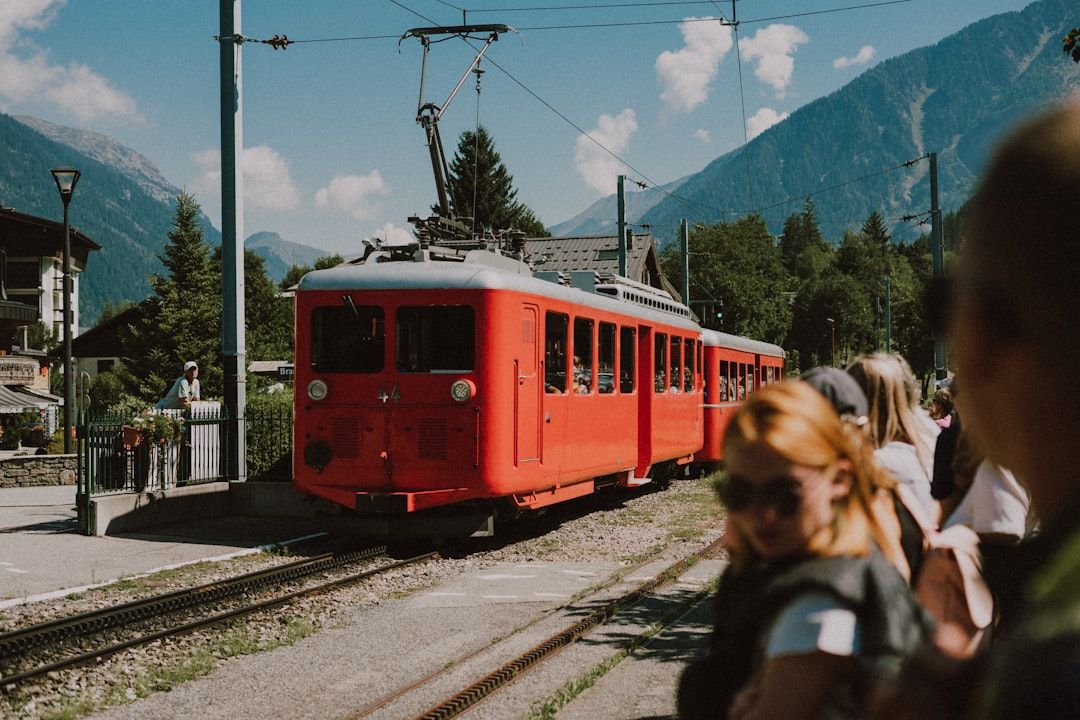
The GR network
A national system of long-distance footpaths marked with red-and-white flashes, covering tens of thousands of kilometres and maintained by a national federation.
Consistently waymarked, well documented, and passing through villages with accommodation — which makes independent walking in France genuinely straightforward.
GR5 from Lake Geneva to Nice through the Alps. GR10 along the Pyrenees coast to coast. GR20 in Corsica, the hardest of them.
The Alps
Chamonix — the birthplace of mountaineering, with the Aiguille du Midi cable car putting you at 3,842 metres in twenty minutes.
The Tour du Mont Blanc starts and ends here.
Vanoise and Écrins national parks, both quieter than Mont Blanc with excellent hut networks.
Mercantour, above Nice, with the Vallée des Merveilles and its Bronze Age rock engravings.
Skiing and ski touring across all of it, roughly December to April.
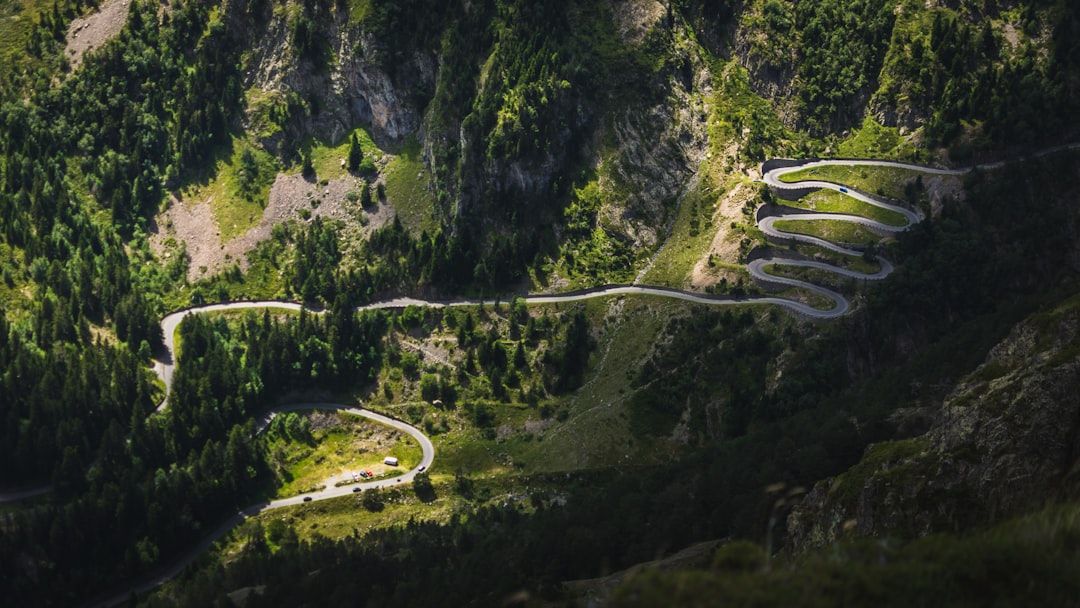
The Pyrenees
Quieter than the Alps and, for walking, arguably better.
Cirque de Gavarnie — a glacial amphitheatre with a 400-metre waterfall.
The GR10 traverses the range on the French side over roughly six weeks, and sections work as a week.
Canyoning in the Sierra de Guara across the border in Spain, which is the best in Europe.
The Verdon
Europe's deepest gorge, in Provence.
One of the most important limestone climbing areas in Europe, with long multi-pitch routes frequently approached by abseiling in from the top — which commits you to climbing out.
The Sentier Martel walks the gorge floor, with tunnels and ladders, and needs a torch.
Kayaking on the turquoise river and the lake below.
The Auvergne
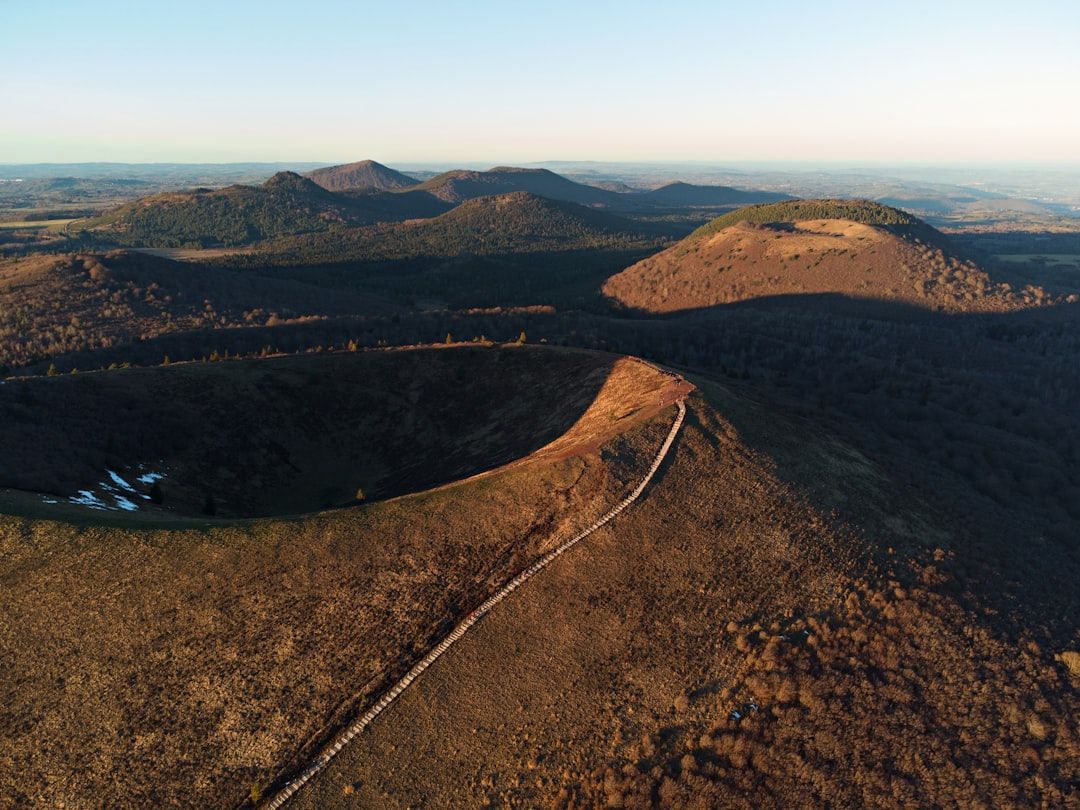
The cheapest and least-visited outdoor region in France.
The Chaîne des Puys — a chain of extinct volcanoes, a UNESCO site, with walking up cinder cones and a rack railway or footpath up the Puy de Dôme, which is also a major paragliding site.
Puy de Sancy, the highest, with hiking and modest skiing.
Prices here run well below Alpine or Provençal levels.
The coasts
Brittany — the GR34 coastal path runs the entire coastline, roughly 2,000 km, and is one of the great walking routes in Europe.
The Atlantic at Hossegor and Biarritz for surf.
Corsica — the GR20 inland, and the Mare a Mare and coastal routes as gentler alternatives.
Practical
Rent a car locally from a regional airport — Lyon, Toulouse, Marseille, Clermont-Ferrand — rather than driving out of Paris.
Refuges in the Alps and Pyrenees need booking in July and August.
Mid-August closes rural businesses for two to three weeks, at the peak of visitor season.
Sunday and Monday closures apply in small towns year round.
IGN maps at 1:25,000 are the standard and are excellent.