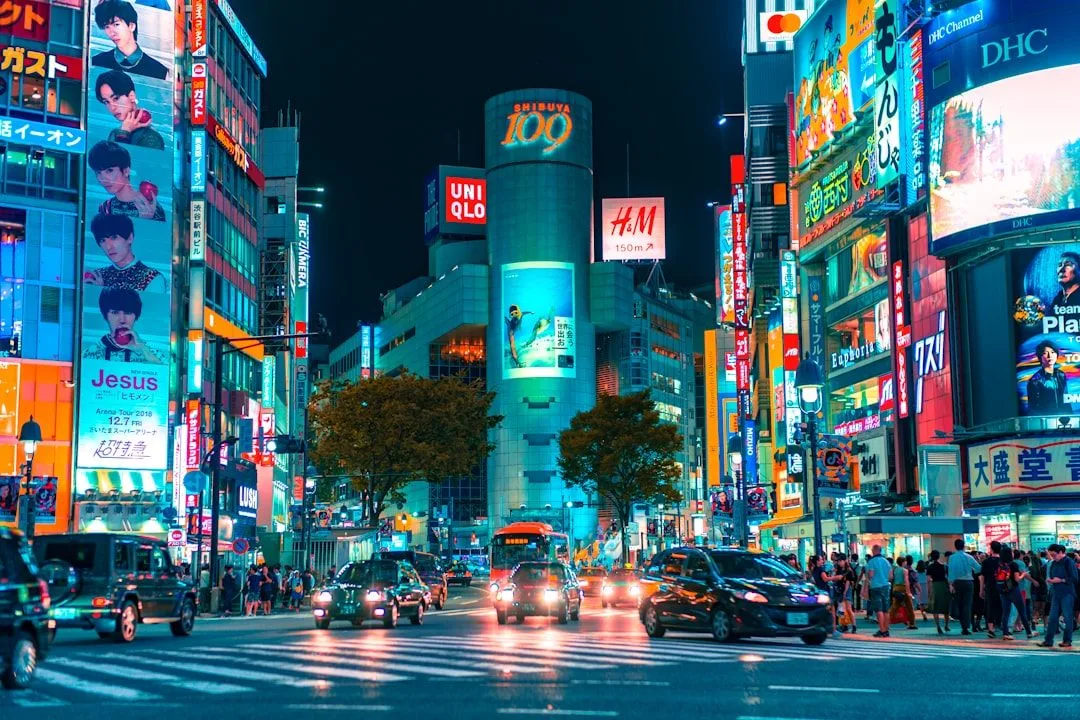
Japan is roughly two-thirds mountains, with a dense hut network, consistent signage and a deep domestic hiking culture. Almost no international visitors walk in it, which is the opportunity.
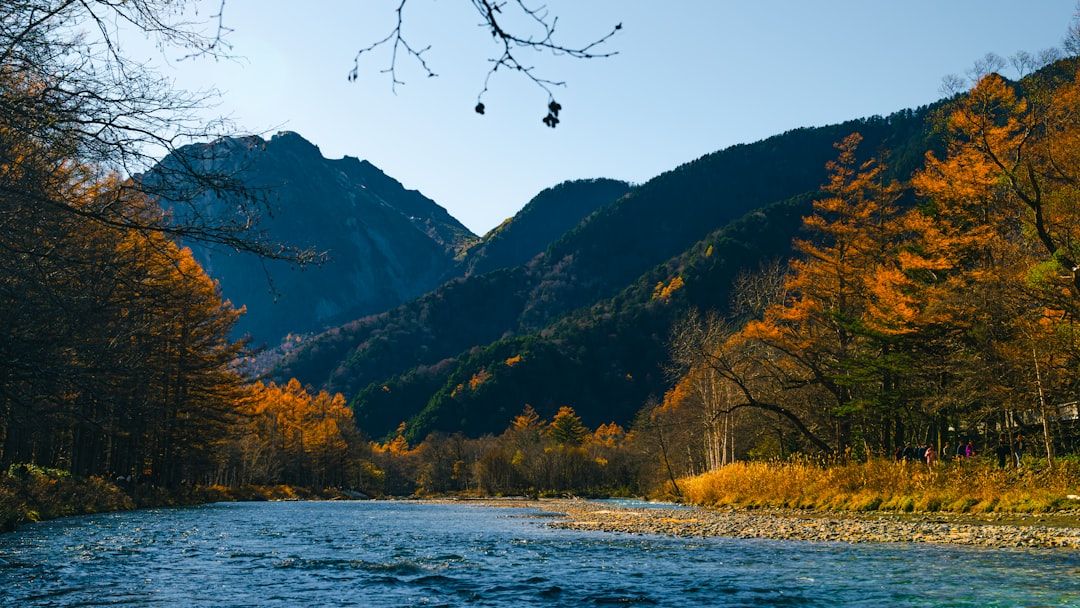
The Northern Alps
The best mountain walking in the country, in Nagano and Gifu.
Kamikōchi is the gateway — a valley closed to private cars, reached by shuttle from Hirayu, with the Azusa river and the Hotaka range above.
Yari-ga-take, the spear-shaped peak, and the traverse to Hotaka, which is the classic and includes exposed scrambling on the Daikiretto.
Tateyama and the Kurobe Alpine Route, with the snow corridor in spring.
The huts provide meals and futon bedding, so you carry a daypack. They are busier and more crowded than European huts in peak season, run roughly July to October, and increasingly require reservations.
Mount Fuji
Climbing season is roughly early July to early September, when trails and huts are open and staffed.
Access controls, fees and daily limits have been introduced on some routes in recent years — check current arrangements rather than older descriptions.
Outside the season it becomes a serious winter climb with fatalities most years.
The traditional pattern is a night in a hut and a summit for sunrise. It is a slog rather than a beautiful walk — the view of Fuji from elsewhere is better than the view from it.
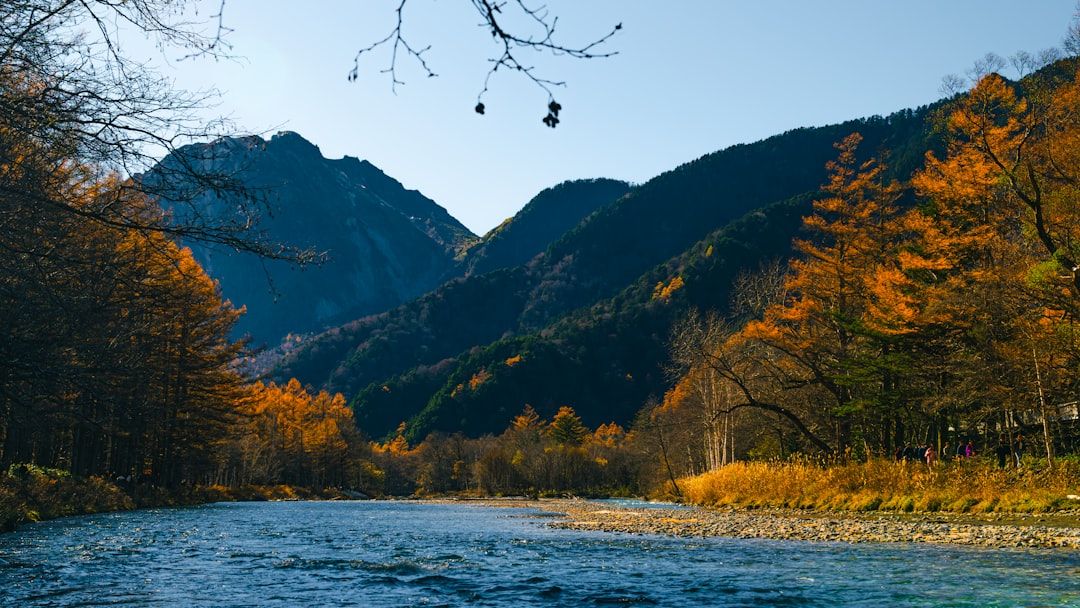
The Kumano Kodo
Ancient pilgrimage routes through forested mountains on the Kii peninsula, linking three grand shrines. A UNESCO site alongside the Camino de Santiago.
Sections walk in a few days, with onsen towns at the ends of days — Yunomine has one of the oldest hot springs in Japan, with a small bath in the riverbed.
Well set up for independent walkers, with luggage transfer available.
Hokkaido
Daisetsuzan — the largest national park in Japan, with a genuine wilderness traverse of several days and no huts on some sections.
Shiretoko, a UNESCO peninsula with dense brown bear populations and restricted access at times.
The season is shorter and the terrain more serious than Honshu.
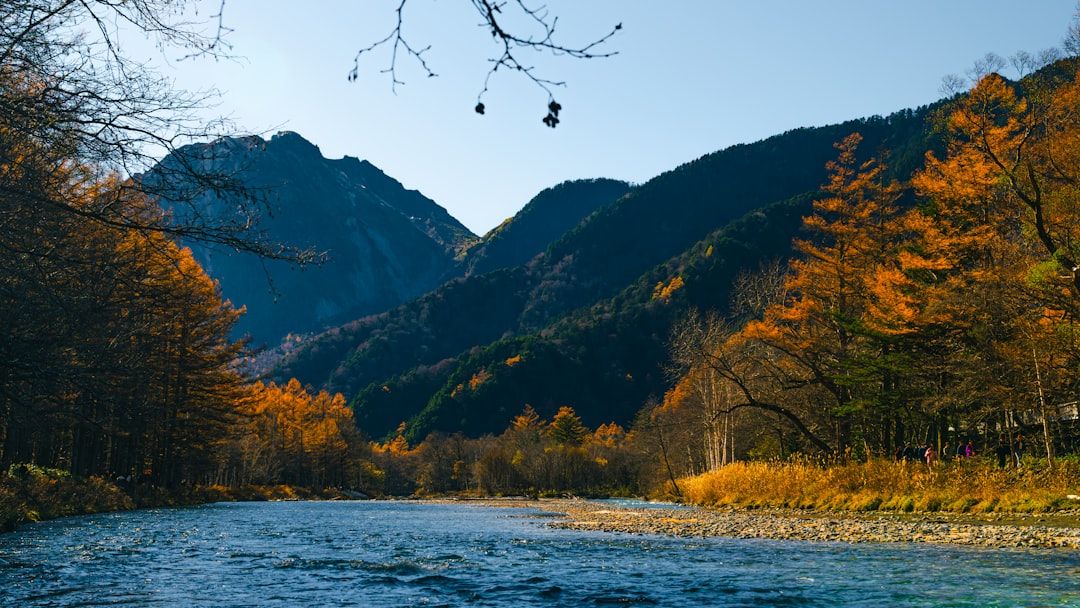
Shorter and accessible
Yakushima — an island of ancient cedar forest, some trees thousands of years old, with the Jōmon Sugi day walk and multi-day routes. It rains constantly, which is the point.
Kamikōchi day walks along the valley floor, easy and spectacular.
Takao, an hour from Tokyo, busy and pleasant.
The Nakasendō, the old post road between Magome and Tsumago, a few hours through preserved villages.
Bears
Asian black bears on Honshu, brown bears in Hokkaido, and encounters have increased in recent years.
Bear bells are standard practice and sold everywhere. In Hokkaido, checking local warnings before setting out is genuinely important rather than a formality.
Practical
Season: July to October for the high mountains, with snow lingering into July.
Autumn colour in the mountains is spectacular and fills huts with domestic walkers — book well ahead.
Submit a climbing plan (tozan todoke) where boxes are provided at trailheads. It is standard practice and it is what search and rescue works from.
Rural buses run infrequently — check the last departure before setting out.