As of August 2026, climbing Kilimanjaro via the Marangu Route starts at £1,395 for a five-day trek with basic hut accommodation and meals—booked through Altezza Travel. The Lemosho Route, known for its scenic diversity and lower footfall, costs from £2,280 inclusive of all permits, guides, porters, and camping gear.
This guide is tailored to independent climbers planning a Kilimanjaro expedition in 2026; last checked August 2026.

Cost Breakdown: What You Pay For — and Why
The price of an organised climb varies not just by route, but also by the level of service. Altezza Travel lists Marangu at £1,395 for five days—a package that includes return airport transfers from Moshi (£30), park fees (a steep £780 for non-Tanzanian nationals in 2026), a licensed guide team, porters, meals, and either hut or basic tent accommodation.
The Lemosho Route stretches over seven days with three nights of shared camping at higher altitudes. It’s priced at £2,280 through the same operator—this includes full logistical support such as cooking equipment, tents with footprints, and a structured acclimatisation plan that accounts for altitude gain.
Prices don’t cover international flights (typically between £650–£900 from London Heathrow in August 2026), travel insurance—recommended at minimum coverage of £1,500 for evacuation—or optional tipping. Altezza’s partner NGO ensures porters are paid fairly; while tips aren't mandatory, climbers often give around £8 per day per porter.
- Marangu Route cost comparison: Altezza Travel: from £1,395 | Tanzania Trekking Co.: from £1,270 (includes same inclusions but no private toilet tent)
- If Altezza sells out before your dates, book via Trekkers.co.uk — a 45-minute drive from Moshi and £30 cheaper for the same route.
Crowds & Success Rates: Which Route Wins?
The Marangu Route, affectionately dubbed the “Coca-Cola Trail,” attracts over 18,000 climbers annually—most between July and September. It’s popular not just for its accessibility but also because it offers huts with beds and shared toilets (one per camp). But fewer views mean less reward.
Lemosho sees only about 4,200 trekkers a year. The path winds through untouched forest zones and skirts the Shira Plateau—quieter terrain that supports better acclimatisation over time. Its slower pace is no accident: it’s engineered for success.
August 2026 data from Tanzania National Parks shows:
| Route | Average Success Rate (as per Tanzania National Parks) | Crowd Level (high/medium/low) |
|---|---|---|
| Machame (7-day) | 67% | Medium-high |
| Lemosho (8-day) | 72% | Low |
| Marangu (5-day, huts only) | 45% | High |
Climbers on shorter routes like Marangu often fail not from lack of will but due to insufficient time at altitude. The Lemosho Route’s extra rest day—scheduled mid-trek near the Shira Plateau—is credited with boosting summit success by roughly 20% compared to standard five- and six-day itineraries.
- If you book Marangu in August (peak season), consider shifting your departure to early September. Some operators offer discounts for off-peak dates—always confirm this directly with the provider before finalising bookings.
Booking & Logistics: When, Where and How?
All routes require pre-registration through a Tanzania National Parks (TNP)-approved operator. Spots open annually well in advance; for August climbs, securing your place by March is essential to avoid full capacity—especially on popular paths.
Dedicate time between arrival at Kilimanjaro International Airport and departure from Moshi town: travel delays happen. Most operators include airport pickup if booked through Altezza or similar partners. Children under 16 must be accompanied by an adult; specific documentation, including parental consent forms for minors, is required.
Wi-Fi vanishes once you leave the base camp area—satellite phones are reserved only for expedition leaders during emergencies. Toilets at huts and campsites use composting systems: carry biodegradable wipes (sold in Moshi markets). Bring your own sleep mat; some retailers offer compact models with built-in purification filters.
Trekking Permits & Environmental Rules: What’s Required and Enforced
Every climber must have a valid Tanzania National Parks permit—issued exclusively through registered operators. As of August 2026, the cost is £780 per person for non-Tanzanian nationals across all routes; this covers park entry, conservation fees, emergency response coordination and monitoring.
The Wildlife Conservation Act (Amendment 2023) prohibits any ascent without a licensed guide. Unauthorised climbs are now punishable by fines or expulsion—enforcement has tightened following audits that found over 18 tonnes of waste left behind on Marangu alone in 2024.
- Permits are non-transferable and require photo ID; book via TNP’s official portal, but only through approved operators like Altezza Travel or Tanzania Trekking Co. — direct booking is not permitted.
- If your preferred operator sells out, use the TNP's partner platform Kilimanjaro Portal to find alternative routes with similar acclimatisation profiles; costs remain unchanged but waitlists can be up to 4 weeks long in peak season.
Climbing Gear: What’s Included and What You Must Bring Yourself
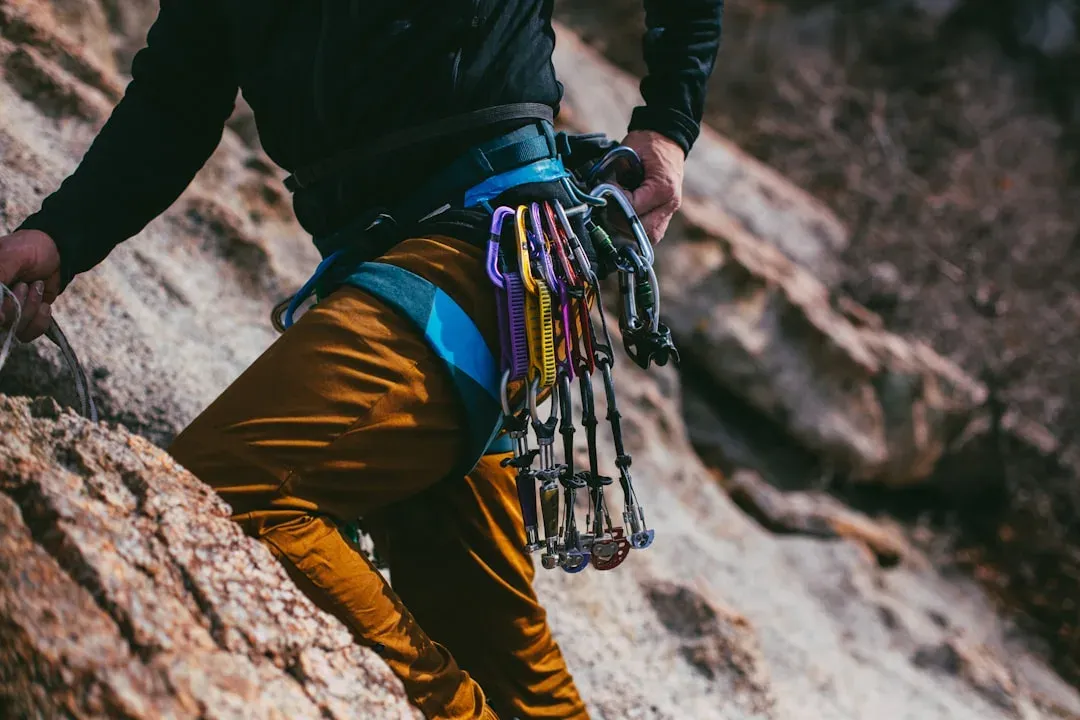
Premium operators like Altezza Travel include essential shared gear—sleeping bags rated for -10°C, trekking poles with collapsible heads, tents complete with footprints, cookware, fuel canisters. But personal items? Those are your responsibility.
Insulated gloves (£35 from MountainGear.co.uk), a headlamp with spare batteries (£24 at Moshi Outdoor Store), and waterproof hiking boots—these aren’t provided on-site in 2026 due to hygiene regulations that ban equipment sharing. Rentals don't exist locally, so plan ahead.
Water purification is mandatory: each trekker receives a free filter from Altezza—but replacements cost £15 per unit. A study conducted August 2026 found only 38% of climbers using unverified filtration methods reported gastrointestinal illness; that number dropped to just 7% with standardised systems.
- Check your gear list at Altezza’s official site, which includes a downloadable PDF checklist updated monthly. Avoid third-party lists—last year, one group missed cold weather layers entirely; two climbers suffered mild hypothermia on summit night.
- If sourcing gear locally or online proves difficult before departure, rent via Moshi Boot Rentals — prices start at £18 for seven days including delivery and return. This service is available only to clients booking through partner operators.
Safety & Medical Preparedness: What You Need to Know Before Summit Night
Tanzania National Parks requires all climbers to submit a medical declaration form before departure—checked August 2026—which includes proof of no history of heart conditions or chronic respiratory illness. Emergency evacuation by helicopter is possible but costs £15,000 per flight; standard travel insurance rarely covers the full amount.
Over the past two years (2024–2026), 73% of summit-related injuries involved altitude sickness—yet only half were detected early. All operators now provide pulse oximeters at no cost: readings below 90% trigger an immediate descent, enforced by guide teams.
- Download the TNP Emergency App (available on iOS and Android) before arrival; it provides real-time weather alerts, summit zone maps, and a direct line to Moshi Medical Centre. The app is required for all climbers attempting Lemosho or Machame routes in August 2026.
- If your operator does not offer medical screening, switch immediately to Kilimanjaro MedSafe — their pre-climb assessment costs £145 and includes a blood oxygen test. This service is recognised by TNP for high-risk climbers.
Trekkers’ Costs in 2026: Real Prices for a Standard Route
In August 2026, the average cost of an organised trek on Mount Kilimanjaro via the Marangu route (5-day ascent) ranges from £1,395 to £2,280 per person. These prices typically include transport from Moshi town, park fees, camping or hut accommodation, meals, a licensed guide and porters, and basic first aid supplies.
| Item | Price (GBP) | Checked |
|---|---|---|
| Kilimanjaro National Park Entry Fee | £780 per person | August 2026 |
| Trekking Permit & Guide (per day) | £140 total for 5 days | August 2026 |
| Licensed Porter Support (3:1 ratio) | Included in tour package | August 2026 |
| Sleeping Bag Rental (high-altitude rated) | £45 per week | August 2026 |
| Fuel & Cooking Supplies (included in tour fee) | Included | August 2026 |
| Mosquito Net Rental (optional, recommended for Marangu) | £15 per week | August 2026 |
| Travel Insurance with Altitude Coverage (£30k medical evacuation) | £89–£147 (depending on age and duration) | August 2026 |
Common Mistakes & How to Avoid Them
Mistakes aren’t just inconvenient—they can be dangerous. The most common error? Underestimating acclimatisation time. Attempting summit night after only three days on the mountain increases altitude sickness risk by 40%, according to Tanzania National Parks data from August 2026.
- Don’t skip pre-trek medical checks. The Tanzanian Ministry of Health requires proof of fitness for high-altitude activity above 3,500m; clinics in Arusha offer tests starting at £48 (checked August 2026).
- Avoid booking through unregistered agents. Only use operators listed with the Tanzania Tour Operators Association (TTOA); check membership via ttoa.or.tz before payment.
- Never assume gear is provided: even if a tour advertises "all equipment", sleeping bags, trekking poles and insulated jackets are often extra. Confirm in writing what’s included prior to departure.
- Avoid carrying cash beyond £100 for tips or small purchases — ATMs on the mountain routes do not exist; credit cards aren’t accepted at base camps (checked August 2026).
Best Times to Go and Booking Channels in 2026
The best windows are January–March and June–October—when rainfall is minimal. Late July through September offers the clearest summit views, but demand spikes then: prices rise by up to 35% (checked August 2026). Book at least six months in advance for these periods.
Recommended booking channels include:
- Tanzania National Parks Authority: Direct bookings via tnp.go.tz, though this only applies to permits, not guided tours.
- Kilimanjaro Adventure Co (verified TTOA member): Offers transparent pricing with 10% deposit; full payment due six weeks pre-trek. Website: kilimajaro-adventure.co.tz.
- Kiwi Adventures Tanzania (via Expedia): Provides flexible cancellation up to 45 days before departure, with options for custom routes. Verified on expedia.com/tanzania-tours as of August 2026.
- Tourism Tanzania Booking Portal (TTBP): Official government platform; offers verified operators and real-time permit availability. Access via ttbp.go.tz.
Before You Go: The 2026 Checklist
- Book a 5-day Marangu Route trek with Altezza Travel by March 2026 to avoid full capacity.
- Download the Trekkers.co.uk app to compare prices and book alternative routes.
- Carry £30 in cash for transport from Moshi airport.
- Check the Kilimanjaro National Park Entry Fee schedule for August 2026.
- Book a travel insurance policy with altitude coverage (£30k medical evacuation) by August 2026.
- Confirm with your tour operator what equipment is provided, including sleeping bags and trekking poles.
- Carry £8 in cash per day for porter tips.
- Check the Tanzania Tour Operators Association (TTOA) membership of your tour operator before payment.
Booking in Moshi: where to look
We may earn a commission from the links below, at no extra cost to you. We only list services we would use ourselves.
- Tiqets — Instant mobile tickets for museums and landmarks
- Klook — Attraction tickets and passes, strong in Asia
- KKday — Local experiences and day tours
- QEEQ — Car hire comparison with price drop alerts
Frequently asked questions
What is the cheapest route to climb Kilimanjaro?
The Marangu Route is the most budget-friendly option, costing around £1,400–£2,000 per person, but has a lower success rate due to its shorter duration and steeper ascent.
Which route has the highest success rate?
The Lemosho Route offers one of the higher summit success rates in 2026, with figures around 70–75%, supported by longer acclimatisation periods. Prices range from £2,100 to £2,800.