Trekking the Annapurna Circuit: Route and Reality
Hiking & TrekkingDestination Guide

Trekking the Annapurna Circuit: Route and Reality

Trekking the Annapurna Circuit: Route & Reality Lets explore Nepal, where every step you take will be a journey into uncharted wilderness. The Annapurna...

Adventure Travel Editorial

September 22, 2026 ยท 5 min read

Key takeaways

  • The weather in the Annapurna Circuit can be unpredictable, with varying conditions across the trek.
  • The Annapurna Circuit is a 175 km (109 miles) trek that takes you through diverse landscapes, from subtropical forests to high mountain passes.
  • Accommodation along the Annapurna Circuit is plentiful, ranging from teahouses to camping sites.
  • Permits and Fees: A trekking permit costs around $30, and a conservation fee of $20 is also required.
  • Health and Fitness: Trekking the Annapurna Circuit requires good physical fitness.

Trekking the Annapurna Circuit: Route and Reality

Day 1: Phulchowki to Dhulikhel

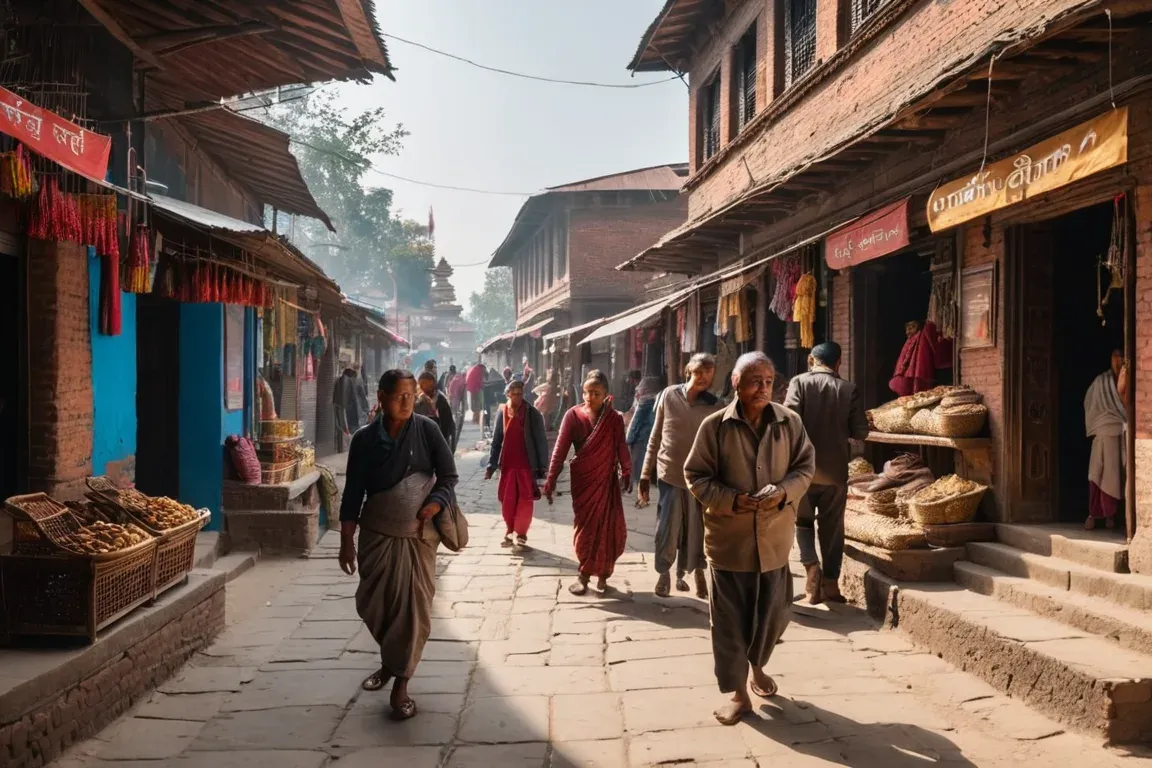
Begin your journey from Phulchowki, a busy neighborhood in Kathmandu, and make your way to Dhulikhel, a scenic hilltop village known for its panoramic views of the Himalayas. This initial leg of the trek is relatively easy, offering a gentle introduction to the beauty of the Annapurna region. The route is well-marked, and you can enjoy the busy local culture and architecture along the way.

Weather

The weather in the Annapurna Circuit can be unpredictable, with varying conditions across the trek. Expect cooler temperatures and occasional rain, especially during the monsoon season from June to September. The best time to trek is from October to May, when the weather is generally clear and stable. During this period, you can enjoy clear skies and pleasant temperatures, making the trek more enjoyable and comfortable.

Route Overview

The Annapurna Circuit is a 175 km (109 miles) trek that takes you through diverse landscapes, from subtropical forests to high mountain passes. The route is divided into several stages, each offering unique experiences and challenges. Key highlights include the Thorong La Pass at 5,416 meters (17,769 feet), the village of Ghorepani, and the stunning views of Annapurna I and II.

Accommodation and Camping

Accommodation along the Annapurna Circuit is plentiful, ranging from teahouses to camping sites. Teahouses are the most common and offer comfortable rooms, hot water, and meals. Camping is also an option, especially in remote areas, but it requires more preparation and equipment. It's important to book your accommodation in advance, especially during peak season.

Costs and Budgeting

The cost of trekking the Annapurna Circuit can vary significantly depending on your accommodation, transportation, and personal expenses. Here's a breakdown of estimated costs:

  • Accommodation: Teahouses range from $10 to $30 per night, while camping can cost around $5 to $15 per night.
  • Food: Meals at teahouses are around $5 to $10 per day, while camping requires you to bring your own food.
  • Permits and Fees: A trekking permit costs around $30, and a conservation fee of $20 is also required.
  • Guides and Porters: Hiring a guide and porters can add $50 to $100 per day, depending on the number of people in your group.

Practical Tips

Preparing well for your trek is crucial to ensure a safe and enjoyable experience. Here are some practical tips:

  • Health and Fitness: Trekking the Annapurna Circuit requires good physical fitness. Start training at least a few months before your trip.
  • Essential Gear: Pack appropriate clothing, including warm layers, waterproof gear, and sturdy trekking shoes. Don't forget a good first-aid kit and sun protection.
  • Permits and Documentation: Ensure you have all necessary permits and documentation. It's advisable to hire a local guide to help with the paperwork and to navigate the route.
  • Hydration and Nutrition: Stay hydrated and carry high-energy snacks to maintain your energy levels.
  • Respect the Environment: Follow the principles of Leave No Trace to protect the natural beauty of the Annapurna Circuit.

Conclusion

Trekking the Annapurna Circuit is a once-in-a-lifetime experience that offers striking views, rich cultural encounters, and a deep connection with nature. With proper preparation and respect for the environment, you can create worth the fare memories in Nepal.

Photos
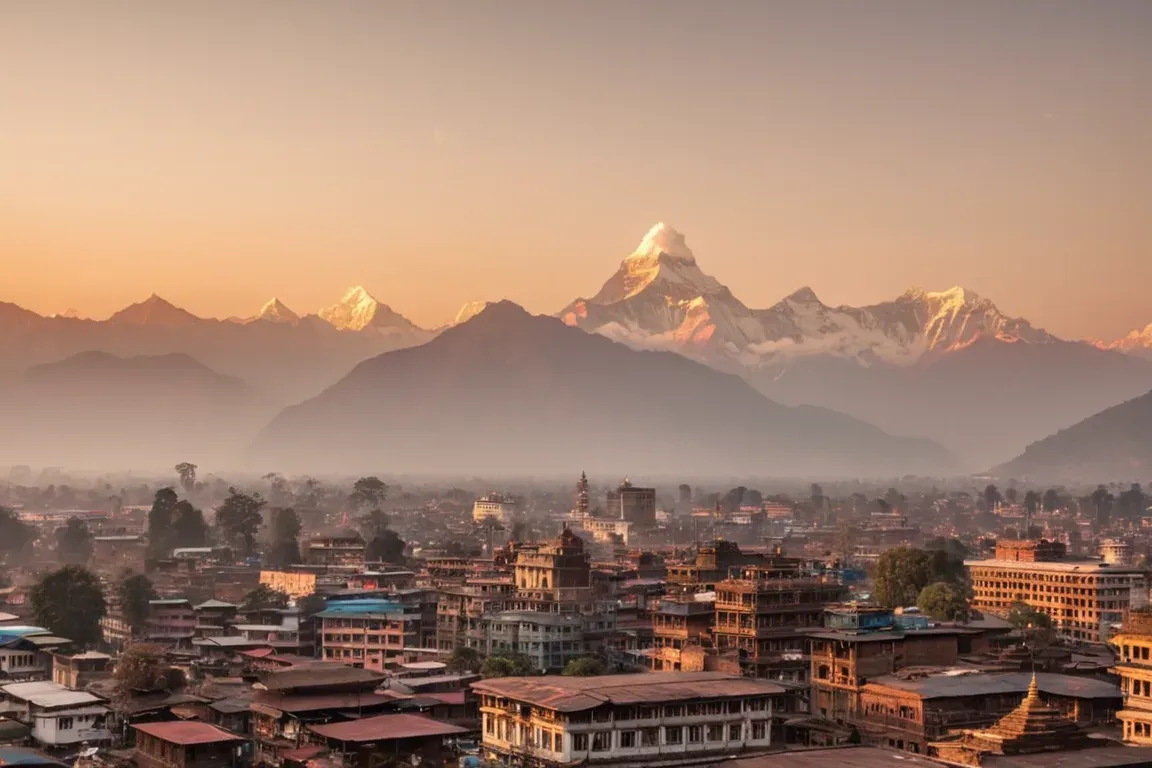
Trekking the Annapurna Circuit: Route & Reality
Scenic views from the Annapurna Circuit.
Trekking the Annapurna Circuit: Route & Reality
Teahouses along the Annapurna Circuit.

The Challenges of High Altitude Trekking

High altitude trekking, especially in the Annapurna Circuit, presents a unique set of challenges that can make or break your adventure. One of the most significant hurdles is the altitude sickness, which can affect trekkers at elevations above 2,500 meters (8,202 feet). At the Annapurna Base Camp, the elevation is around 4,190 meters (13,750 feet), making it a prime location for altitude sickness. Symptoms can range from mild headaches and nausea to more severe conditions like pulmonary edema and cerebral edema. It's crucial to acclimatize properly by spending extra days at intermediate camps like Ghorepani (2,800 meters) and Poon Hill (3,210 meters) to allow your body to adjust to the thin air. Another challenge is the weather. The Annapurna Circuit experiences significant variations in weather, with sudden changes from sunny skies to heavy rain and snow. On Day 10, when you reach the Thorong La Pass (5,416 meters), you might encounter strong winds and low temperatures, even in the summer months. It's essential to be well-prepared with appropriate gear, including warm clothing, waterproof outer layers, and sturdy footwear. Many trekkers carry trekking poles to navigate the steep and rocky terrain, which can be particularly challenging at higher altitudes.

Environmental Considerations and Responsible Trekking

Responsible trekking is crucial for preserving the natural beauty and ecological balance of the Annapurna Circuit. The region is home to diverse flora and fauna, including endangered species like the red panda and the Himalayan tahr. However, the increasing number of trekkers has put pressure on the environment, leading to issues like littering and erosion. To minimize your impact, it's important to follow the principles of Leave No Trace. This means carrying out all your trash, using designated campsites, and avoiding damage to vegetation. Additionally, supporting local communities is an integral part of responsible trekking. Many lodges and teahouses in the Annapurna Circuit are owned and operated by local inhabitants. By staying at these establishments, you contribute directly to the local economy. However, it's important to be mindful of cultural norms and practices. For instance, in some villages, it's customary to remove your shoes before entering someone's home. Engaging with the local communities not only enriches your experience but also helps preserve their traditions and way of life. By being aware of these challenges and taking proactive steps to address them, you can ensure a safer, more enjoyable, and more responsible trekking experience in the Annapurna Circuit.

Check current prices for your trip to Nepal:

Affiliate disclosure: We may earn a commission from bookings made through these links, at no extra cost to you.