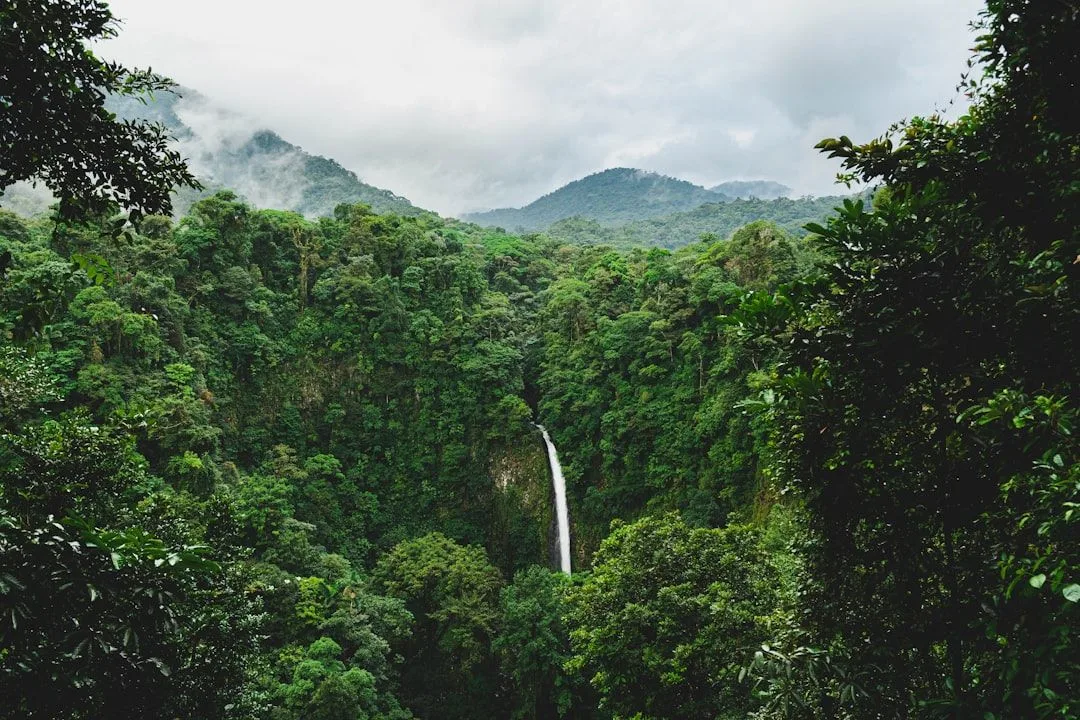
The length of the trip determines what is realistically possible more than budget or fitness. Matching the objective to the days available avoids the most common failure, which is attempting a two-week route in nine days.
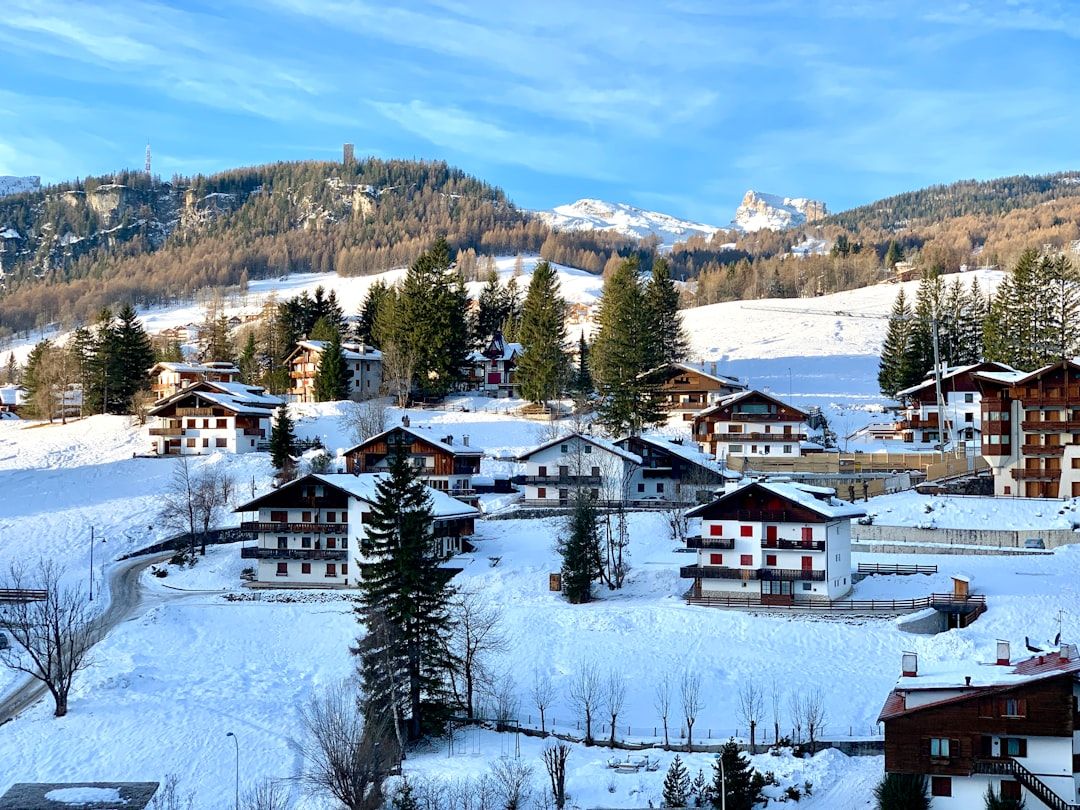
A long weekend, three to four days
Europe only, and no altitude.
A Dolomites via ferrata circuit — two or three days, hut-based, with equipment rentable in Cortina.
A section of an Alpine hut route — part of the Tour du Mont Blanc or an Alta Via.
Scotland — a Munro round, the Cuillin ridge for the experienced, or a coastal route.
Norway — Preikestolen and the Lysefjord area, or a Jotunheimen section.
A climbing or diving weekend — Kalymnos, El Chorro, the Red Sea.
What does not fit: anything long-haul, and anything above about 3,000 metres.
One week
The standard unit for a complete European route.
Alta Via 1 in the Dolomites — roughly seven days, hut to hut, spectacular and non-technical.
The Laugavegur in Iceland — four days, leaving time for the south coast.
The Tour du Mont Blanc at a push, or comfortably as a partial circuit.
The GR20 in Corsica — hard, roughly fifteen days for the full route, or a week for the northern half.
Santa Cruz in Peru, if you arrive already acclimatised.
A Great Walk in New Zealand, if the flights allow.
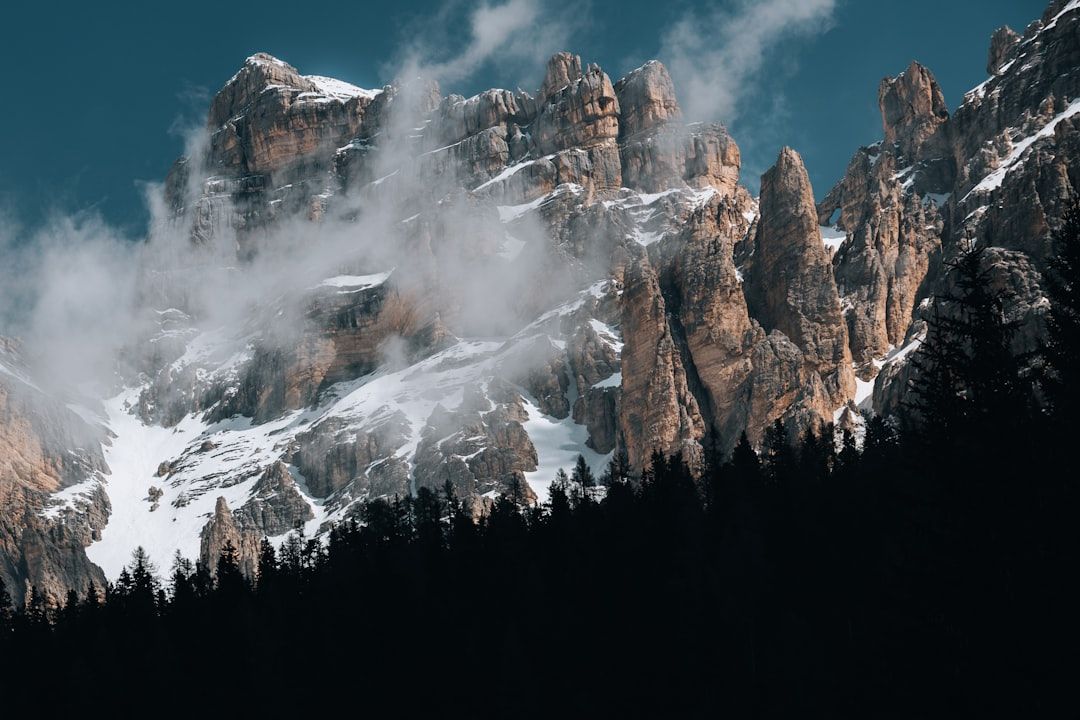
Two weeks
Where the Himalaya and the long southern-hemisphere routes become possible.
Everest Base Camp or Annapurna Base Camp — with acclimatisation days and buffer days for the Lukla flight.
Torres del Paine plus El Chaltén, which is the sensible Patagonian pairing.
The Huayhuash circuit in Peru.
Two New Zealand Great Walks with travel between them.
Kilimanjaro with a safari attached.
Compressing a Himalayan itinerary is the main cause of altitude problems on commercial trips. Two weeks is the floor, not a comfortable allowance.
Three weeks or more
The Manaslu or full Annapurna circuit.
The Haute Route plus recovery.
The Carretera Austral by bicycle.
The Te Araroa in sections, or a South Island traverse.
An expedition-style objective where weather days are built in as a matter of course.
The cost curve
Worth stating because it runs counter to intuition:
A longer trip costs less per day. The flight is usually the largest fixed cost, so a three-week long-haul trip frequently works out cheaper per day than a one-week one, and buys much better acclimatisation and weather margin.
Buffer days
The single most valuable thing to build in, and the first thing cut.
Weather days on any mountain objective.
Flight buffer days where a domestic connection is weather-dependent — Lukla, Patagonian airports, Icelandic domestic flights.
A day at each end for arrival and departure, which is not trekking time.
An itinerary with no slack turns a minor delay into a cancelled trip.