South Africa: Mountains, Coast and the Ethics Question
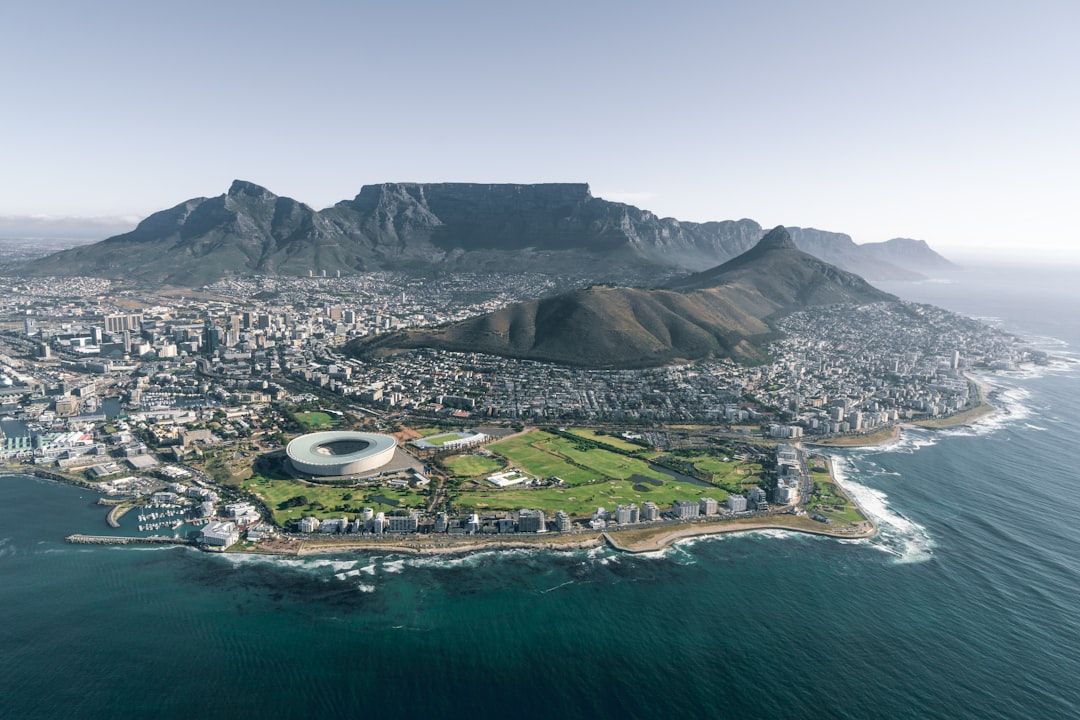
South Africa offers world-class hiking and diving at low cost, alongside wildlife activities that need scrutiny before booking.

South Africa offers world-class hiking and diving at low cost, alongside wildlife activities that need scrutiny before booking.

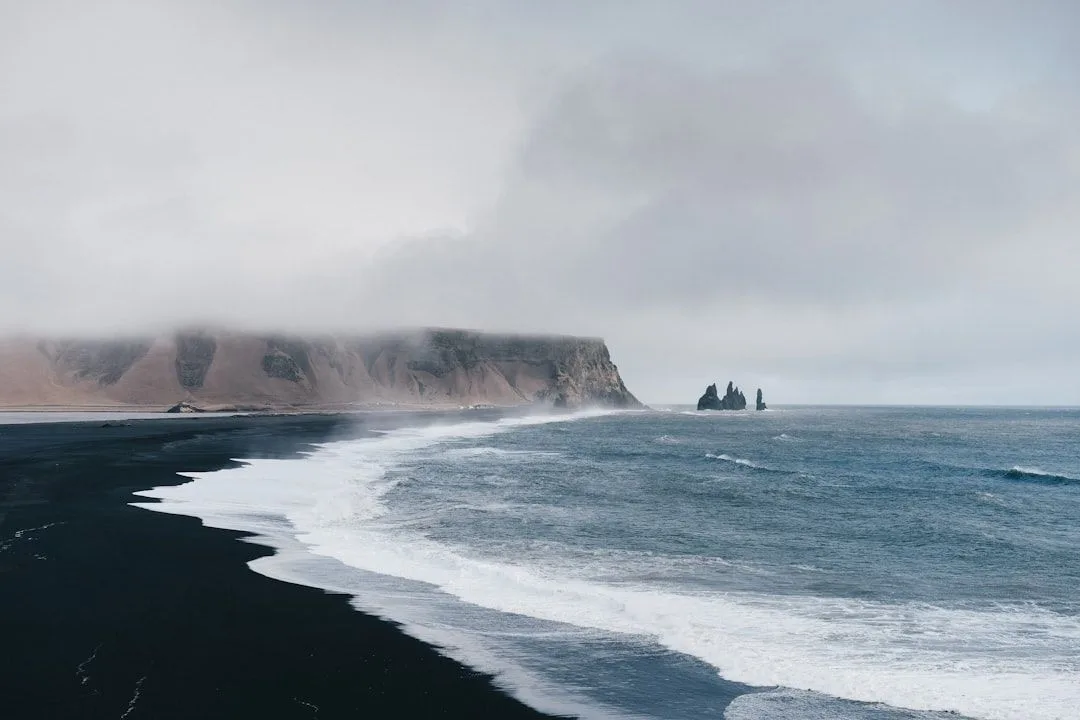
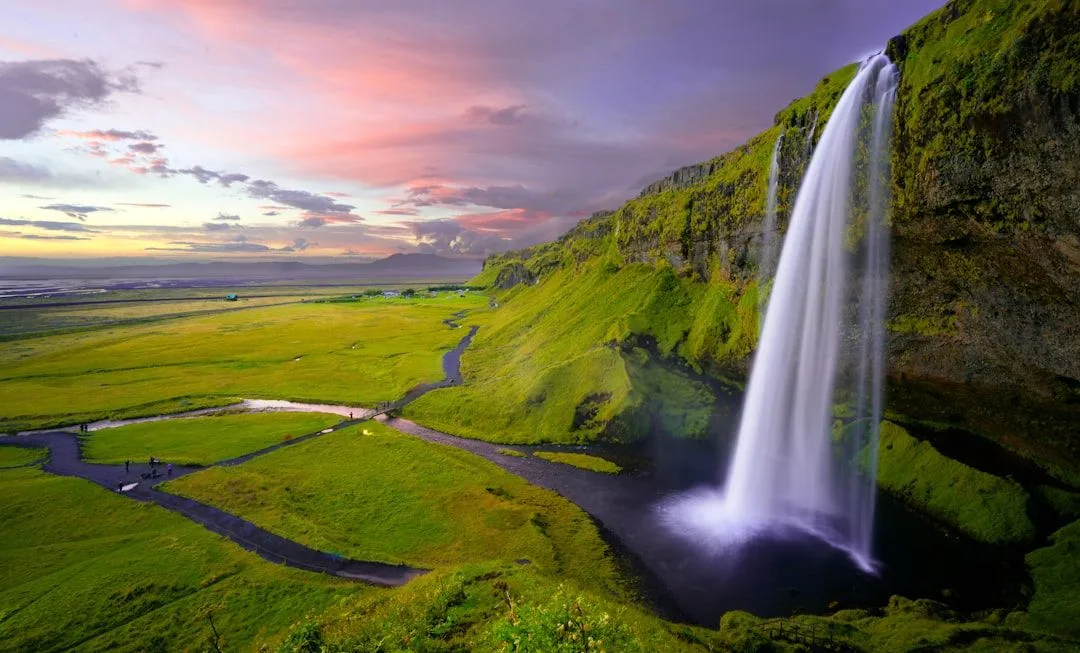
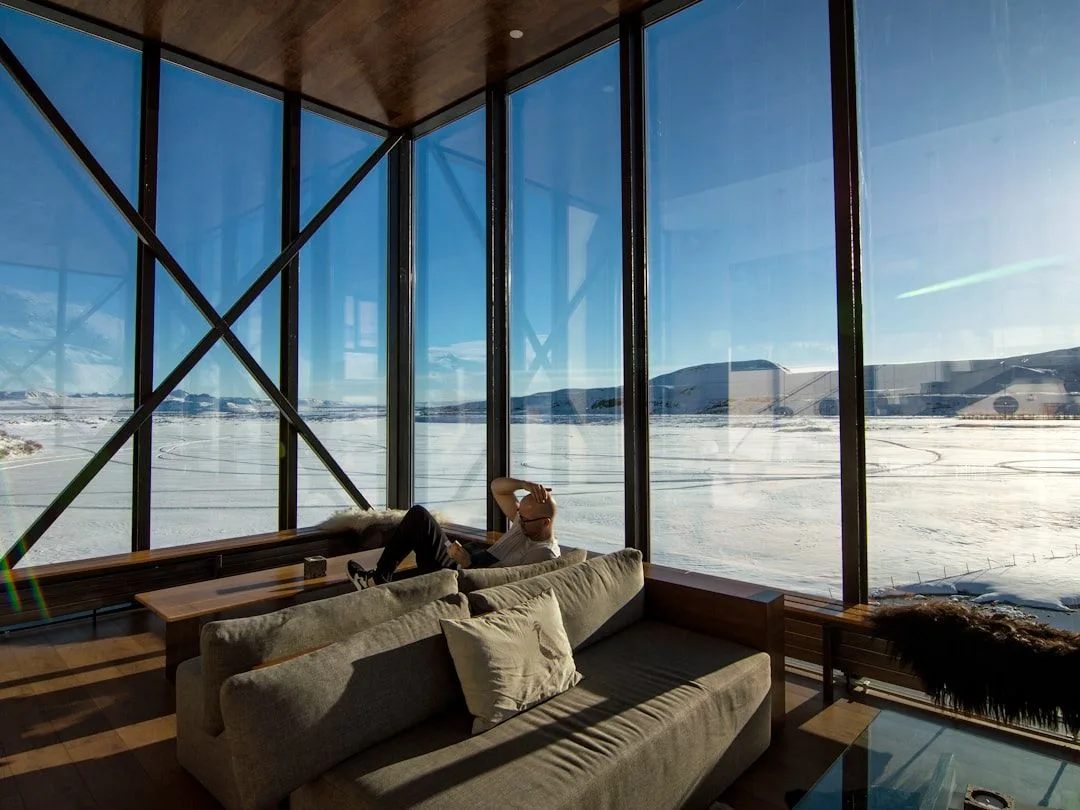
Iceland's interior is legally restricted and seasonally closed, which is the fact that shapes any adventure itinerary there.

Adventure travel sells destinations when the useful question is what level of fitness, skill and risk you are bringing.

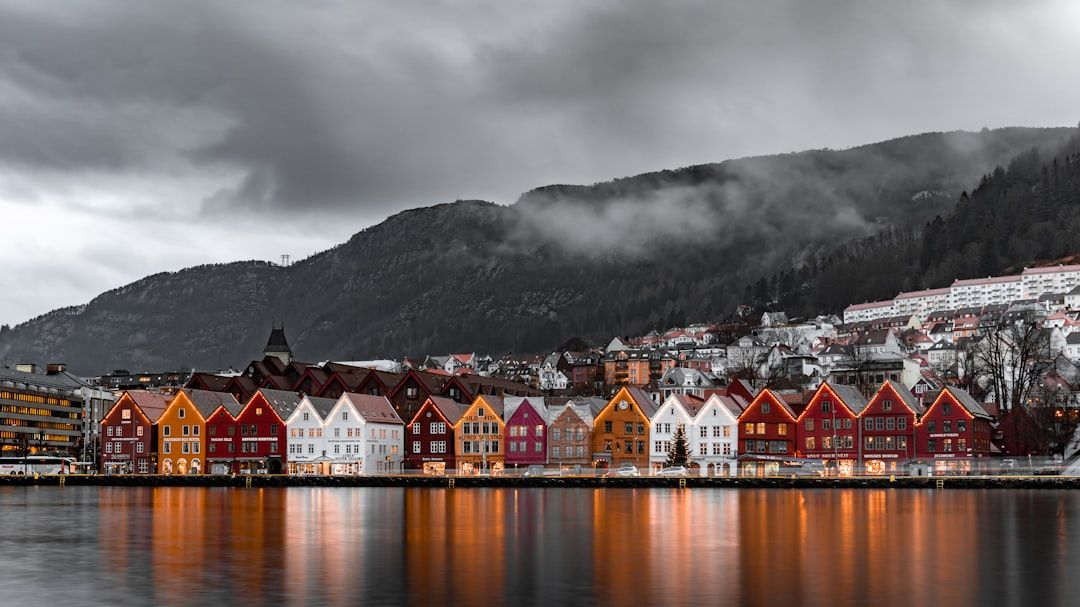
Norway is expensive to visit and unusually cheap to sleep in, because the law lets you camp almost anywhere.

The Inca Trail sells out months ahead on a fixed daily quota, and the alternative routes are harder, emptier and arguably better.

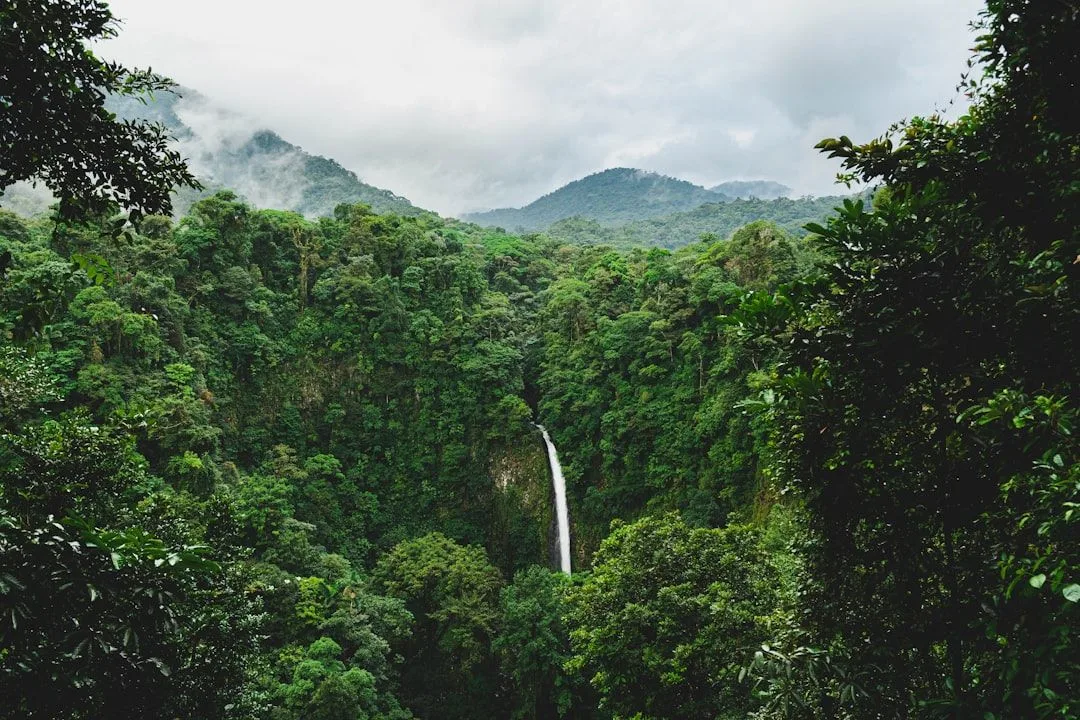
Costa Rica's weather runs on opposite schedules on each coast, which decides where an adventure trip should go.

A handful of routes dominate every list, and they are not equally good or equally deserving of the crowds.

The length of the trip determines what is realistically possible more than budget or fitness does.

Adventure activities abroad operate under wildly different regulation, and the operator matters more than the country.

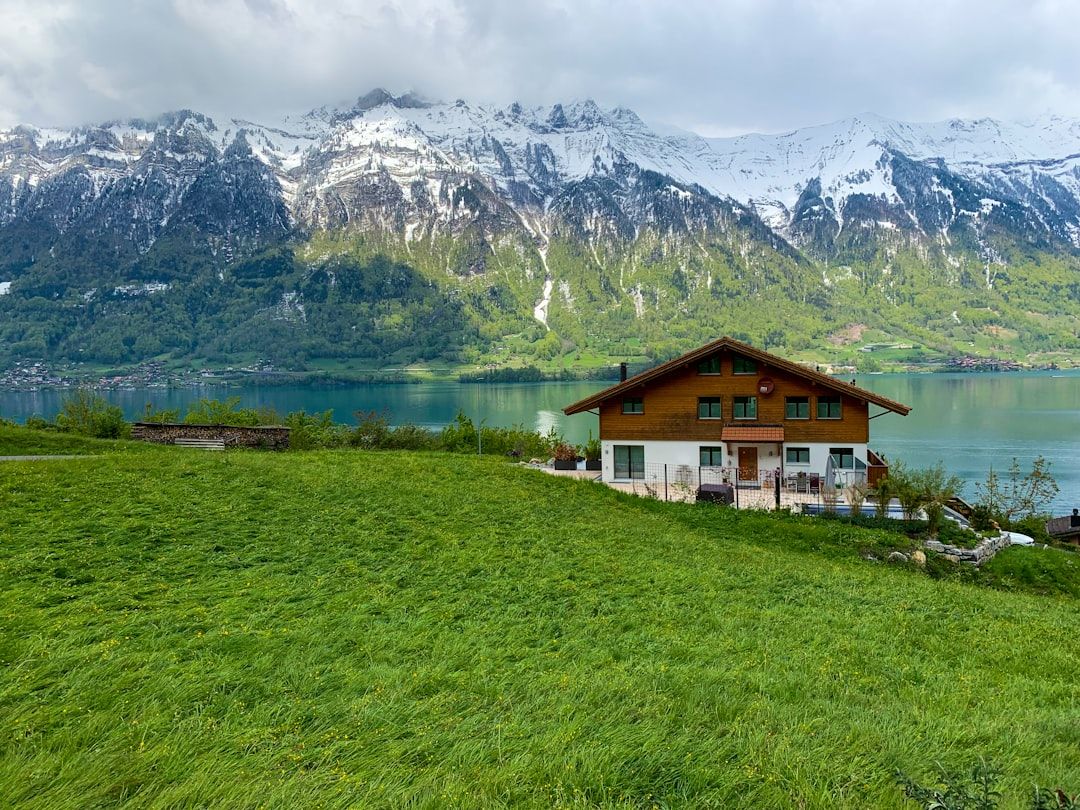
Switzerland's trail system is the most precisely engineered in the world, which makes independent mountain walking unusually easy.

Canadian backcountry travel operates under rules about food and bears that are not optional and are not theatre.

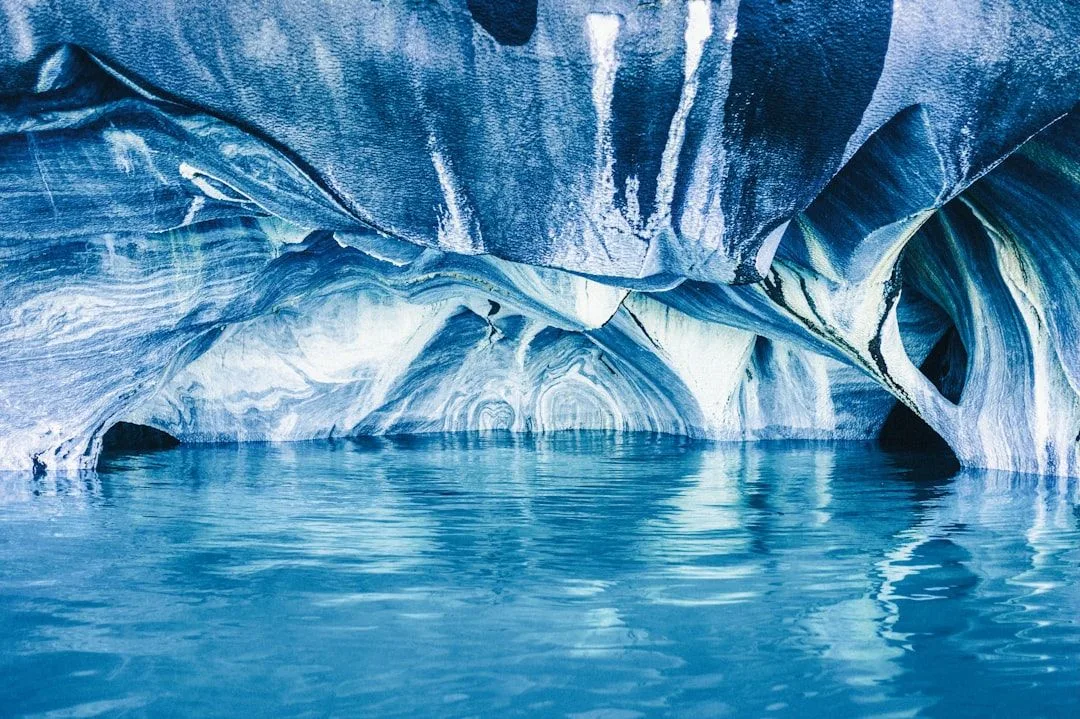
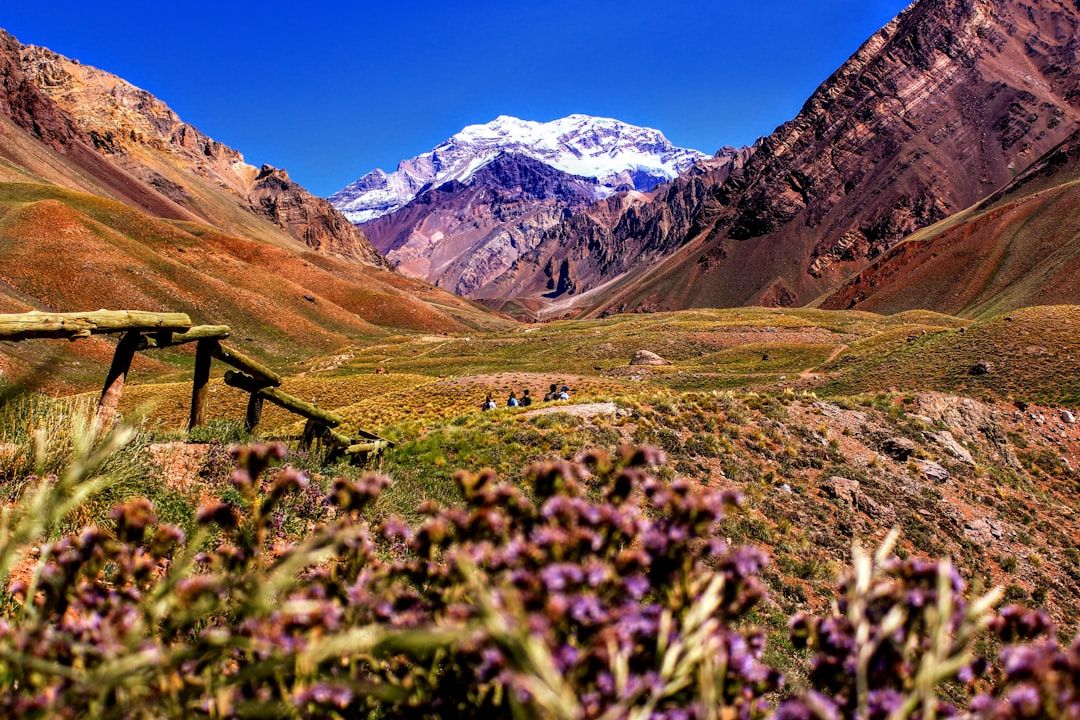
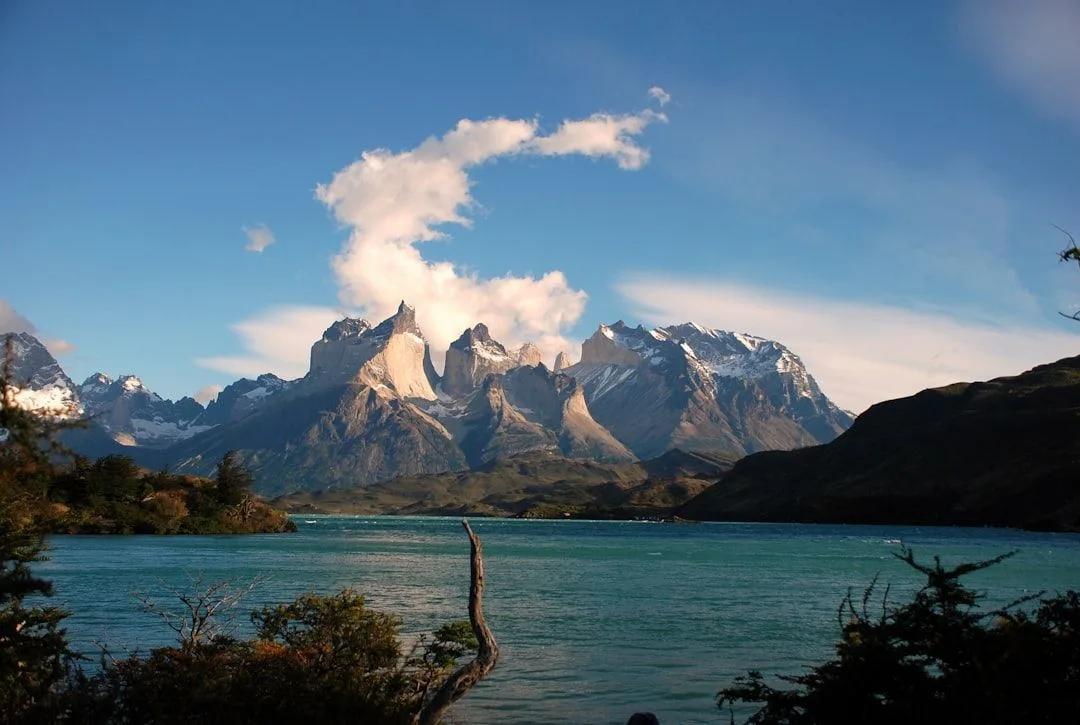
Patagonia's weather is not a variable to plan around but the central fact of any trip there.

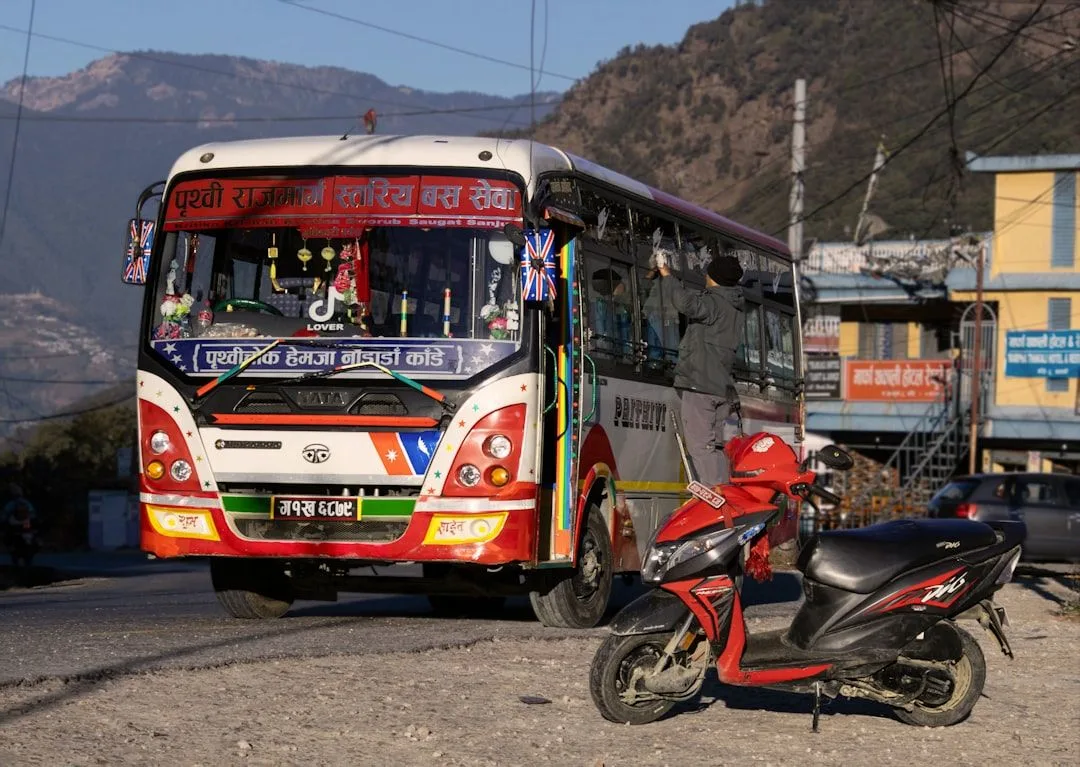
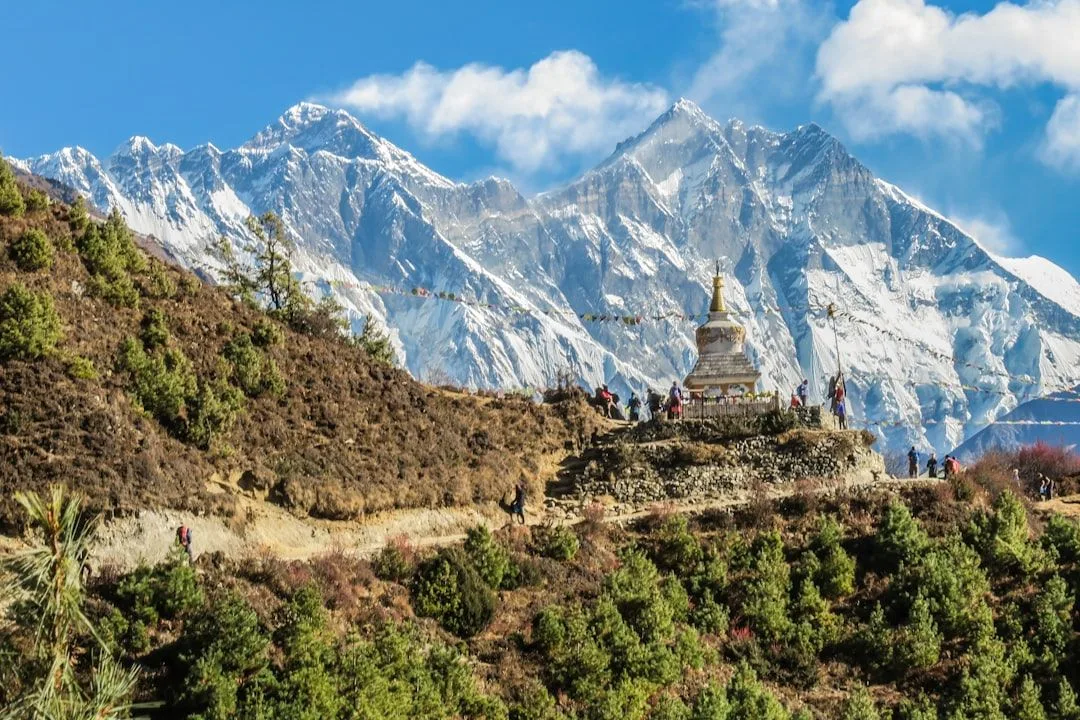
Nepal's trekking regions differ more than the brochures suggest, and the permit rules have changed in ways that catch people out.

New Zealand's headline tracks operate a booking lottery in all but name, and the alternatives are better than the queue suggests.

Some countries have built the huts, trails and rescue systems that make ambitious trips straightforward, and some have not.