Canadian backcountry travel runs on a set of rules about bears and food that are not optional. Everything else about the trip follows from them.
Bear country
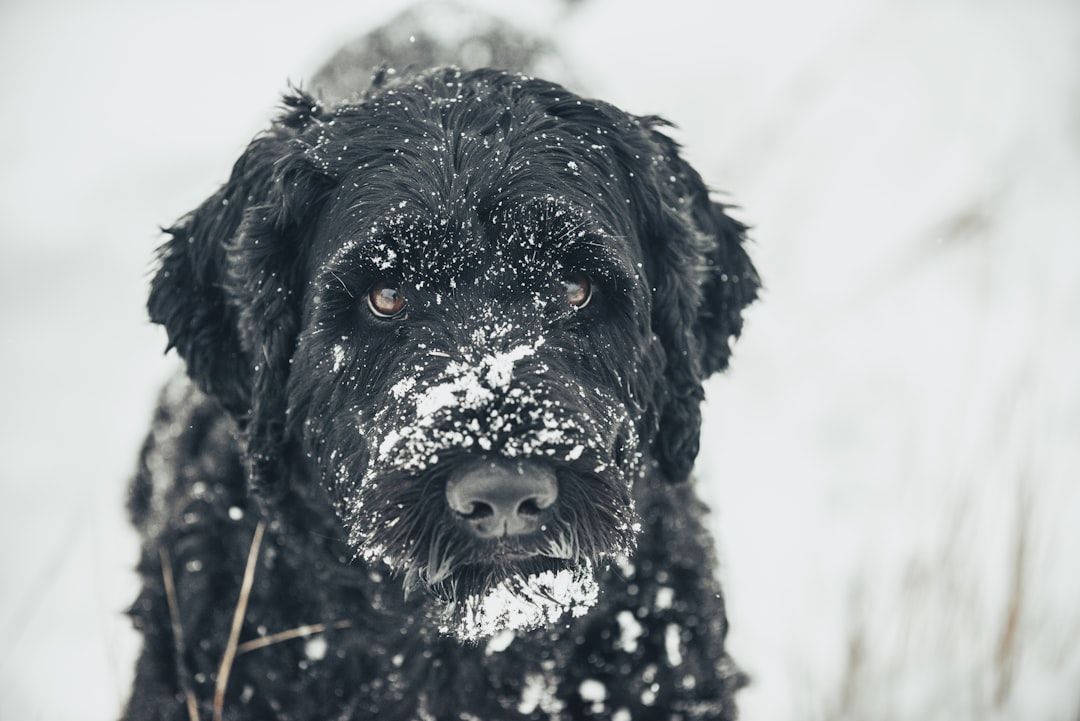
Make noise. Most bad encounters happen because a bear is surprised at close range. Talking and calling out on blind corners does more than any device.
Carry bear spray on your hip, not in the pack. It is useless where you cannot reach it in two seconds, and knowing how to use it matters — practice the draw.
Store all food and scented items — including toothpaste and rubbish — in a bear canister, a hung cache, or the lockers provided at campsites. This is enforced and it protects the bears more than it protects you: a bear that gets human food is usually destroyed.
Travel in groups where possible, and check park notices for recent closures, which are posted for a reason.
The Rockies
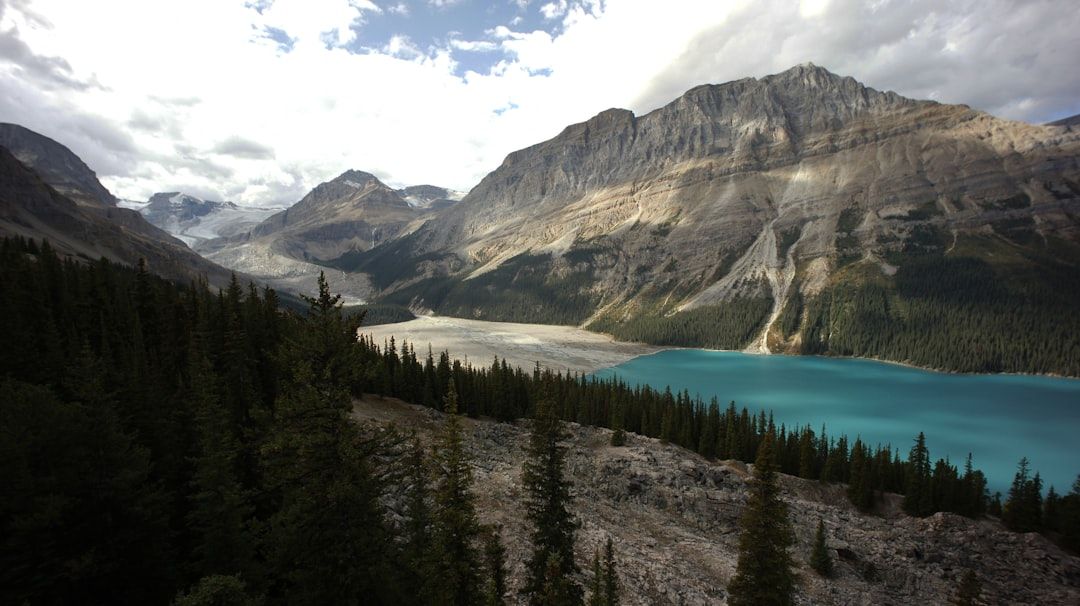
Banff, Jasper, Yoho and Kootenay, connected and enormous.
Reservations are now central. Backcountry campsites open on published dates and fill quickly, and several popular areas — Moraine Lake among them — now restrict private vehicle access entirely in favour of shuttles.
Check the current access arrangements before planning around any specific trailhead.
Skyline Trail in Jasper, Rockwall in Kootenay, and Berg Lake in Mount Robson are the classic multi-day routes.
The Icefields Parkway between Banff and Jasper is one of the great mountain drives.
The coast
The West Coast Trail on Vancouver Island — 75 km with ladders, cable cars, tidal sections and deep mud, taking six to seven days.
Reservation quota, mandatory orientation session, and evacuations common enough that fitness and preparation genuinely matter.
The North Coast Trail and Juan de Fuca are the alternatives.
Sea kayaking in the Broken Group Islands and the Gulf Islands.
Great Bear Rainforest for the spirit bear, which requires an organised trip.
Canoe country
The traditional way of moving through the Canadian Shield — connected lakes and rivers with portages between them.
Algonquin in Ontario, the classic introduction.
Quetico, wilder and adjoining the Boundary Waters.
The Bowron Lakes circuit in British Columbia — a 116 km loop that returns you to where you started, which is unusual and excellent.
Interior campsites are reserved in advance, and portages are measured in chains on older maps.
The north
The Yukon — the Chilkoot Trail over the pass the gold rush prospectors used, and the Tombstone Territorial Park.
Nahanni in the Northwest Territories, by float plane, for the river and Virginia Falls.
Aurora viewing from Yellowknife and Whitehorse, roughly August to April.
Winter
Ski touring and backcountry in the Rockies and the Coast Mountains, where avalanche training is a genuine prerequisite rather than a recommendation.
Avalanche Canada publishes daily forecasts; check them and know how to read them.
Ice climbing at Canmore and Field.
Practical
Book park reservations the day they open for popular sites.
A Parks Canada pass pays for itself in a week of park visits.
Distances are enormous. The Rockies alone are larger than most European countries.
Season: July to September for high-country hiking, with snow lingering into July on passes.