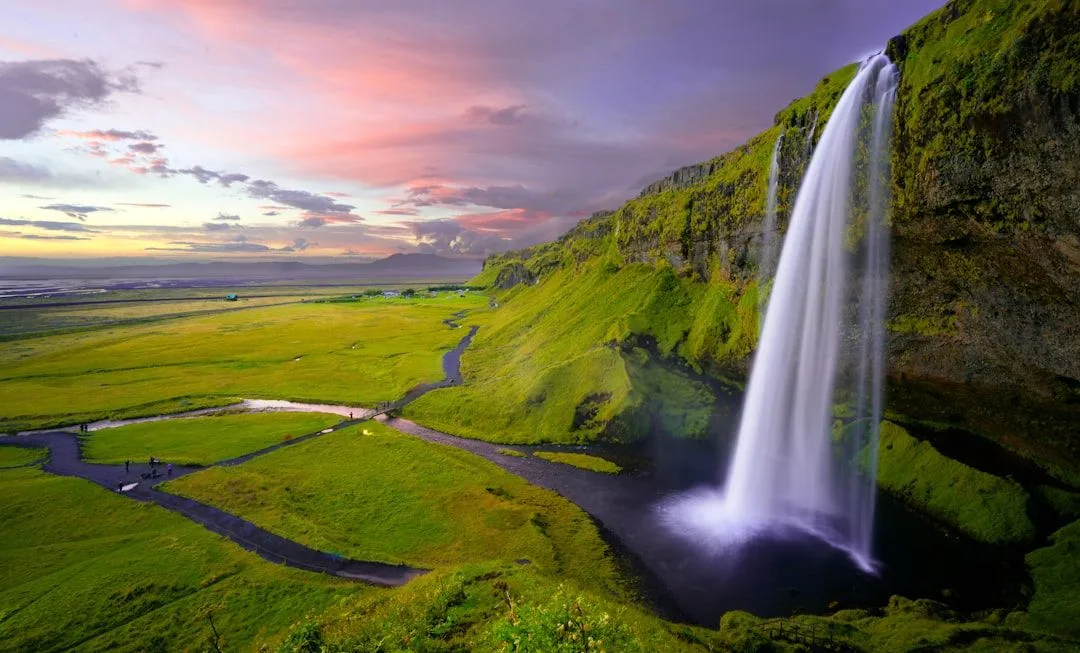
Costa Rica packs an enormous range into a small country, and the planning fact that matters most is that its two coasts run on different weather schedules.
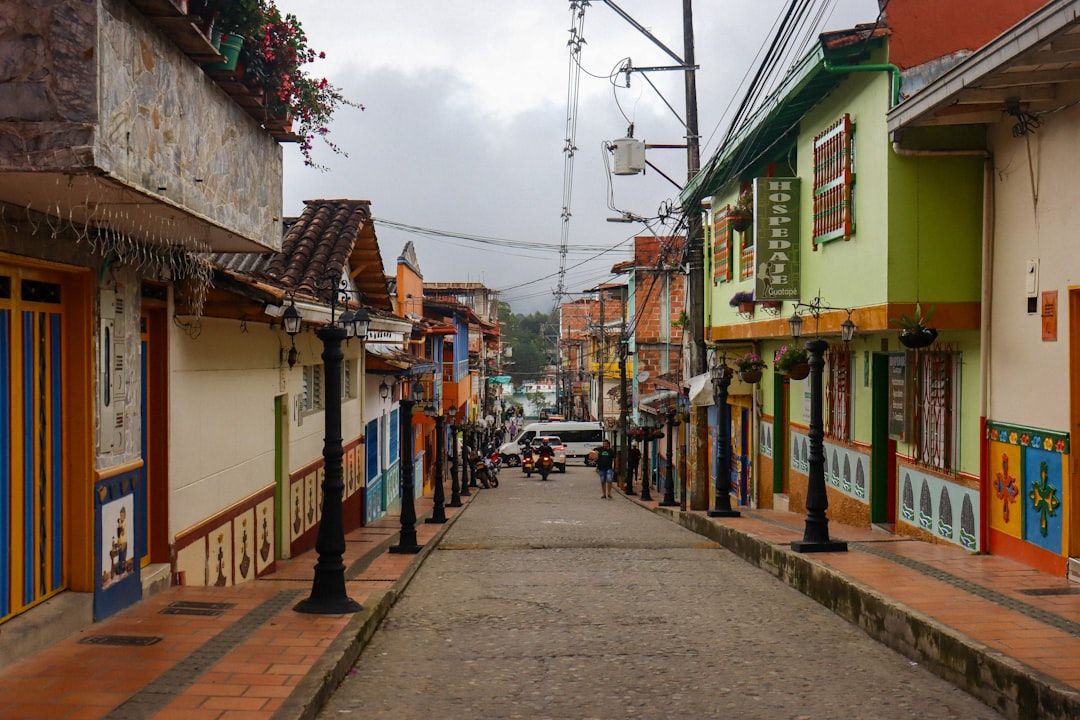
The two seasons
The Pacific side — dry roughly December to April, wet May to November.
The Caribbean side follows a different pattern, with its driest periods around September and October and again in February and March — frequently the opposite of the Pacific.
Which means: travelling in September, the Caribbean side may be the better bet. Travelling in January, the Pacific.
The mountain spine between them creates the split, and the cloud forests on the divide are wet year round by definition.
The wildlife parks, ranked by effort
Corcovado, on the Osa Peninsula — the most biodiverse place in the country. Access requires a certified guide, advance permits, and either a boat or a long drive.
Tapirs, scarlet macaws and all four Costa Rican monkey species are realistically seen there, which is not true of the easier parks.
Tortuguero, on the Caribbean, reachable only by boat or plane — canals, and turtle nesting roughly July to October.
Manuel Antonio — small, easy, crowded, and reliable for sloths and monkeys.
Monteverde and Santa Elena cloud forests, with canopy walkways and night walks.
Volcanoes
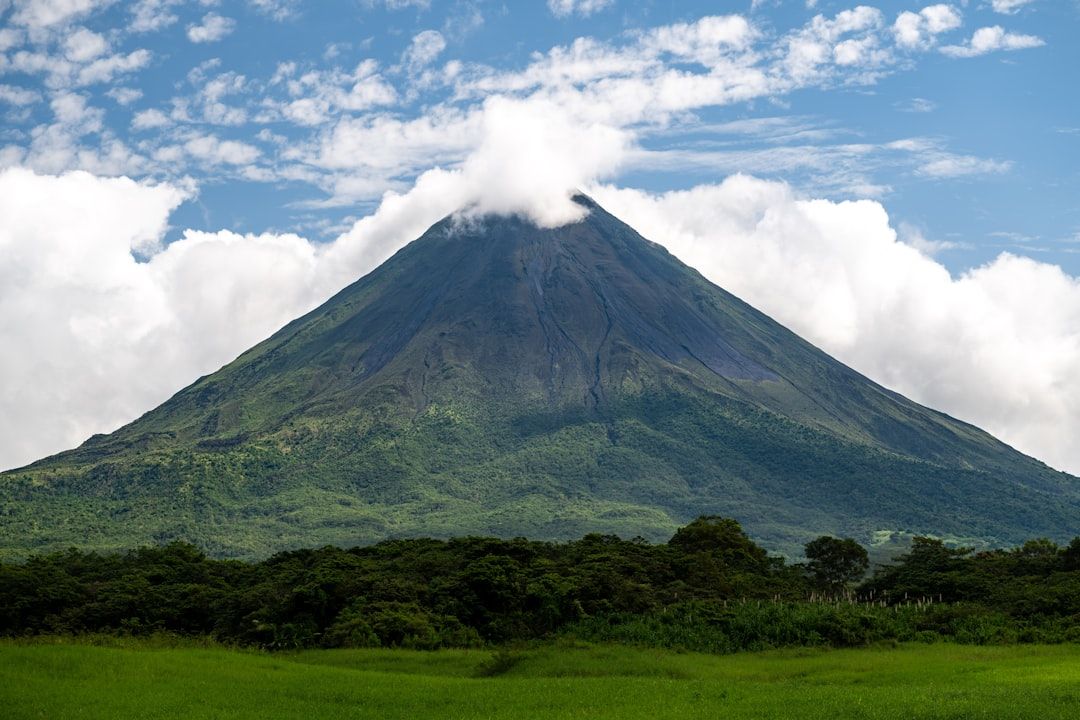
Arenal — the summit has been closed to climbers since the active period, and the trails circle the base through old lava fields. Cerro Chato, the adjacent crater, has also been closed for erosion in recent years — check current access.
The hot springs around La Fortuna are geothermally heated by it.
Rincón de la Vieja — fumaroles, mud pots and waterfalls, and considerably quieter.
Poás and Irazú, both drivable to crater viewpoints, with access subject to volcanic activity.
Chirripó, the highest peak at 3,820 metres, requiring a permit and a hut booking, with a summit view of both oceans on a clear morning.
Water
The Pacuare — consistently rated among the best whitewater rivers in the world, running through a gorge with lodges accessible only by raft.
The Reventazón, also excellent.
Wet season (May–Nov) brings the highest water and biggest rapids; dry season runs are gentler and suit less experienced paddlers.
Surfing — Santa Teresa, Nosara, Pavones on the Pacific, and Salsa Brava at Puerto Viejo on the Caribbean for experienced surfers only.
Diving at Caño Island, and Cocos Island for liveaboards, which is a serious expedition.
Canopy and canyoning
Ziplines originated here as a research tool and are now everywhere. Quality and safety standards vary; established operators in Monteverde and Arenal are the reliable ones.
Canyoning near La Fortuna, abseiling down waterfalls.
Practical
Distances are longer than they look. Roads are mountainous and slow; a 150 km transfer can take four hours.
A 4x4 is genuinely useful outside the main highways, particularly on the Osa Peninsula and in the wet season.
Book Corcovado guides and Chirripó permits ahead; both are capped.
Riptides are the leading cause of visitor deaths on Pacific beaches. Swim where there are others and understand how to escape one.