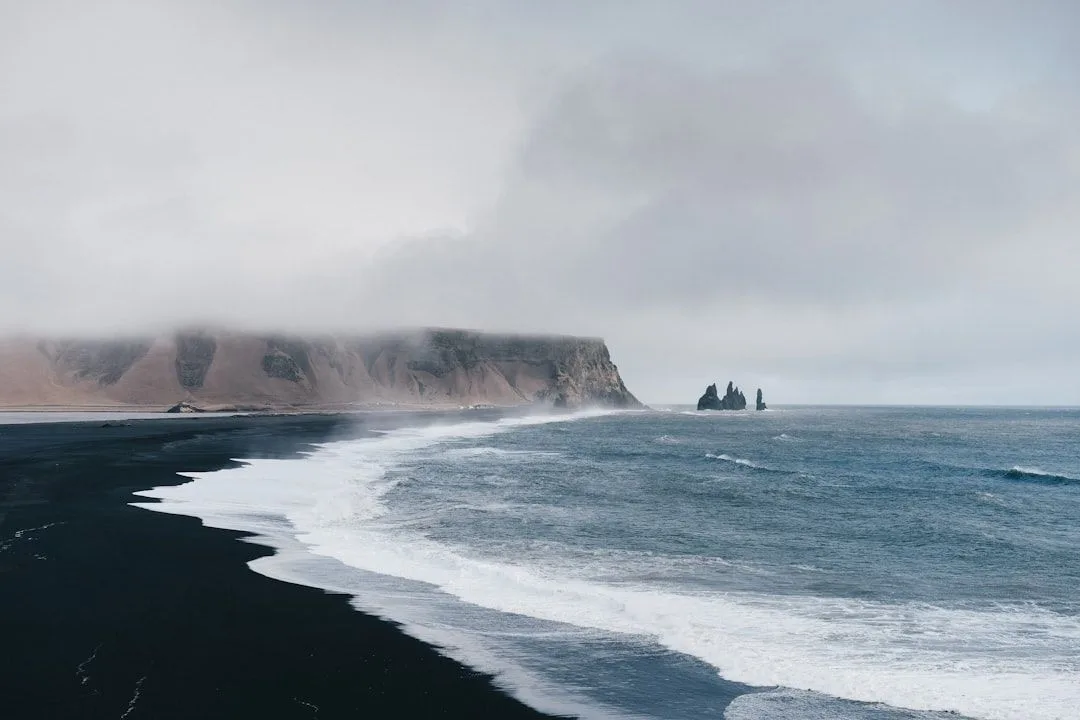
Iceland's adventure terrain is mostly in the interior, which is legally restricted, seasonally closed, and the single fact that shapes any itinerary.
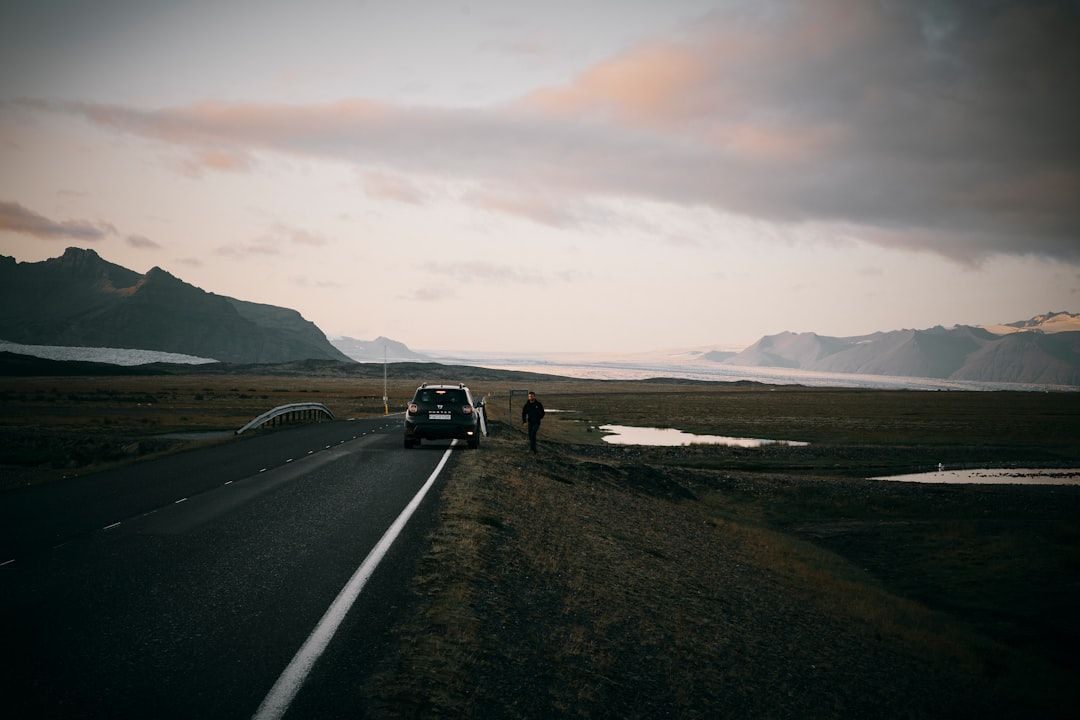
The F-roads
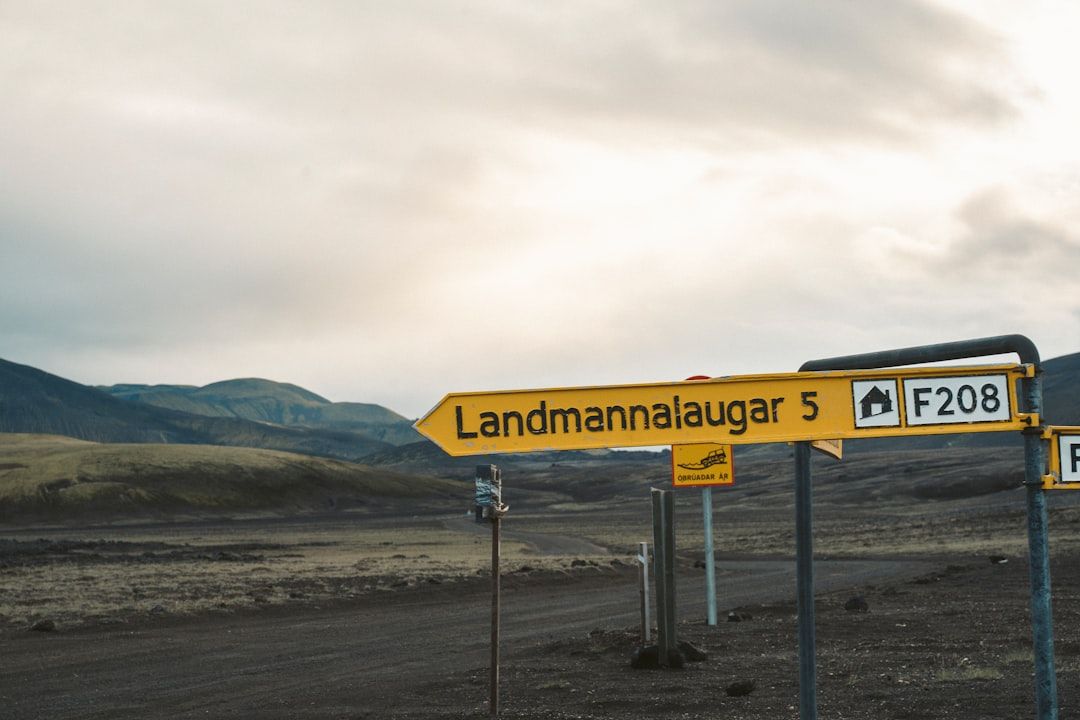
Mountain tracks into the highlands, legally restricted to four-wheel drive and open roughly late June to September.
Two things that catch people out:
Rental insurance is void if you take a two-wheel-drive vehicle onto an F-road, and this is enforced through damage claims.
River crossings are not covered by any standard insurance, including in a 4x4. A flooded engine is entirely your cost.
If you do not have a suitable vehicle, highland buses and super-jeep tours run in season and are the sane option.
The Laugavegur
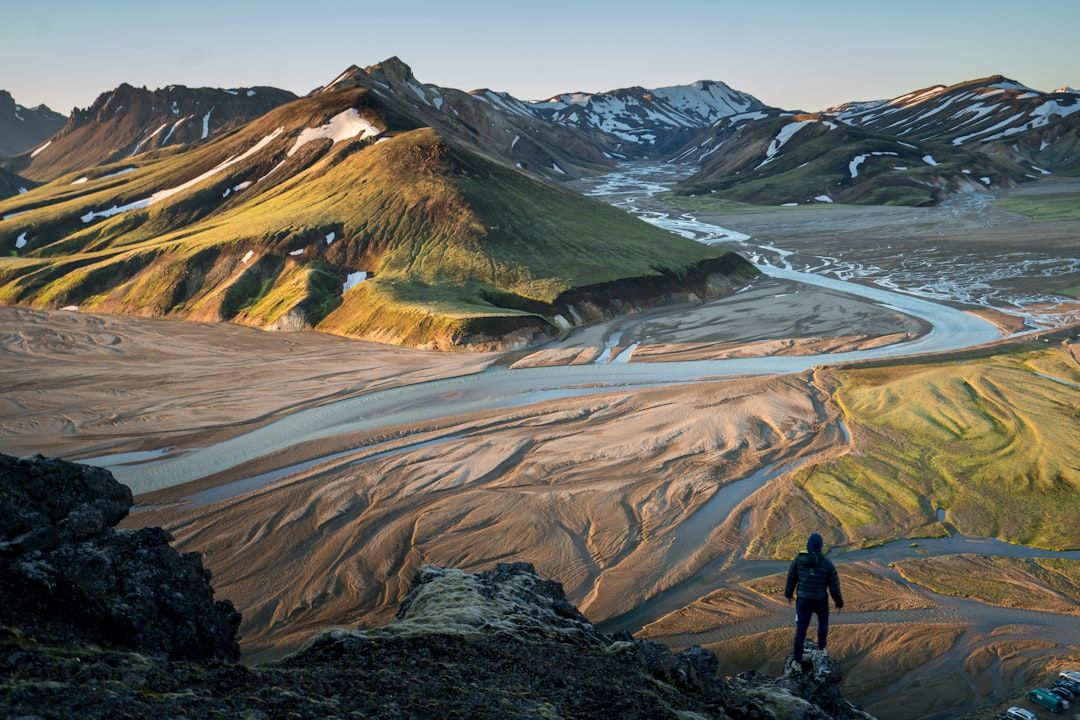
Iceland's best-known trek — roughly 55 km from Landmannalaugar to Þórsmörk over four days, through rhyolite mountains, black sand and glacial rivers.
Huts book out early for July and August; camping alongside is possible.
Season is roughly late June to early September.
It can be extended over Fimmvörðuháls to Skógar, passing between two glaciers and the 2010 eruption site.
River crossings are part of the route — cold, and requiring proper technique.
Glaciers and ice caves
Guided, without exception. Crevasses are not visible from the surface — snow bridges them and they open under weight.
Guided walks provide crampons, axes and current knowledge of ice that changes constantly.
Ice caves form and become safe only in winter, roughly November to March, and melt or collapse in summer. They change year to year, which is why operators scout them each season.
Some man-made ice tunnels operate year round and are a different, more engineered thing.
The other activities
Snorkelling or diving at Silfra — the fissure at Þingvellir between the tectonic plates, in glacial meltwater with visibility over 100 metres. Drysuit, and genuinely cold.
Sea kayaking in the Westfjords and around Snæfellsnes.
Whale watching from Húsavík, which has the best success rates.
Ski touring in the Troll Peninsula in spring, where you can ski to the sea.
Highland hiking in Þórsmörk and Landmannalaugar beyond the main trail.
The two websites
road.is for road status and closures. vedur.is for weather and aurora.
Check both every morning. Roads close with little warning.
Icelandic wind is strong enough to tear car doors off their hinges, which is a common rental claim and frequently excluded from insurance. Hold the door when opening it.
Take the sand and ash damage waiver on the south coast.
Season
| Period | Access |
|---|---|
| Late Jun–Sep | Highlands open, treks running, midnight sun |
| Nov–Mar | Ice caves, aurora, 4–5h daylight |
| Apr–May, Oct | Shoulder — highlands closed, roads variable |
Practical
Cook. Bónus and Krónan supermarkets cost a fraction of restaurants, and most accommodation has a kitchen.
Tap water is excellent — buying bottled is money wasted.
Municipal geothermal pools cost a few euros and are where Icelanders actually go, unlike the Blue Lagoon.