Nepal's trekking regions differ more than the marketing suggests, and the permit rules have changed in recent years in ways that catch independent trekkers out.
Check the current permit rules first
Nepal has moved toward requiring licensed guides on many routes, and the details have shifted more than once.
Restricted areas — Manaslu, Upper Mustang, Nar Phu, Dolpo — have always required a guide, a registered agency and a minimum group size.
Standard permits are the TIMS card and the relevant conservation area or national park permit.
Verify the current requirement for your specific route with a recent source before planning an independent trek. This is the single most out-of-date piece of information in circulation about Nepal.
The regions
Everest (Khumbu) — the mountain scale is unmatched and the Sherpa culture is a large part of the experience. Access usually by the flight to Lukla, which is weather-dependent and frequently delayed — build buffer days at both ends.
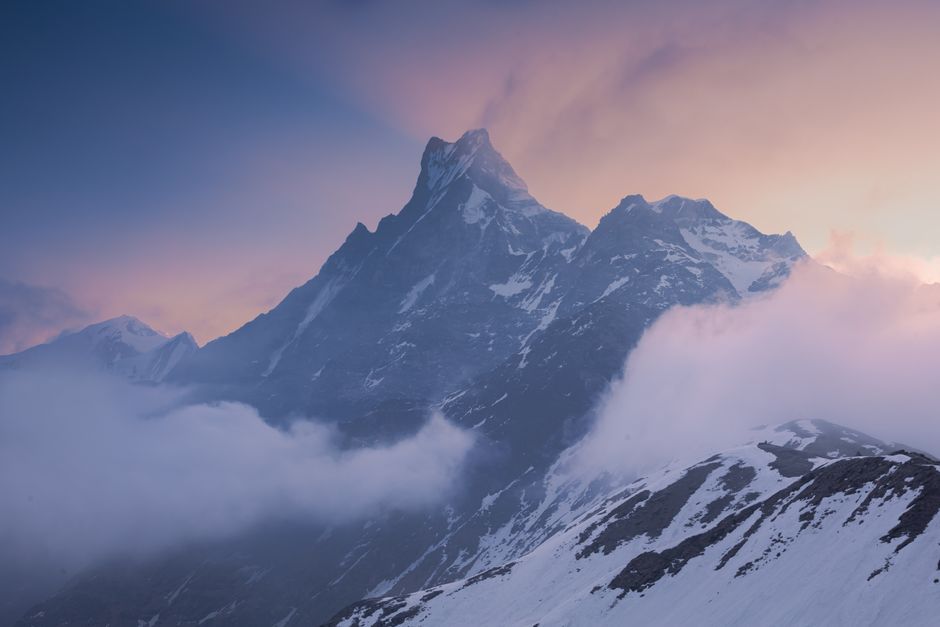
Base Camp itself is a moraine; Kala Patthar is where the view of Everest actually is.
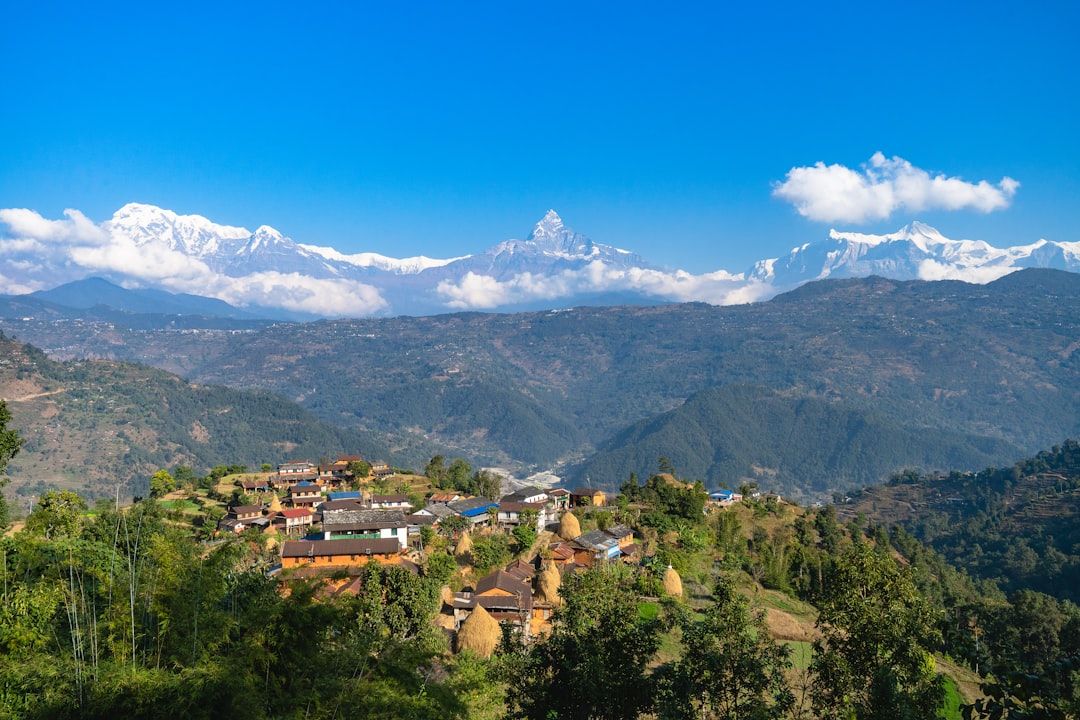
Annapurna — more varied, with a shorter approach from Pokhara. Road building has altered the classic circuit, and alternative trails now bypass much of it. Annapurna Base Camp is the shorter and very popular option; Poon Hill is the short introduction.
Manaslu — a genuine circuit crossing the Larke Pass, restricted, and with a fraction of the trekkers.
Langtang — closest to Kathmandu, least demanding of the major regions, and rebuilt after the 2015 earthquake.
Upper Mustang — a former Tibetan kingdom in the rain shadow, arid, walled city at Lo Manthang, expensive permit.
Teahouses
Family-run lodges along the established routes provide a bed and cooked meals, so you carry a daypack and personal gear.
This is why Nepal's major treks are affordable compared with expedition-style trips elsewhere.
Prices rise with altitude, since everything is carried or flown up. Charging devices and hot showers cost extra and increasingly so higher up.
Dal bhat — rice, lentils and vegetables, with refills — is the reliable and traditionally unlimited meal.
Altitude, which is the real risk
Above roughly 3,000 metres: 300–500 metres of sleeping altitude gain per day, with rest days.
Fitness does not protect you. Very fit people sometimes ascend too fast and suffer more.
Descent is the treatment. A commercial itinerary that ascends faster than this is the itinerary to reject, and some do.
Learn the symptoms and be willing to turn around.
Season
| Period | Conditions |
|---|---|
| Oct–Nov | Best — clear, stable, busy |
| Mar–May | Good, warmer, rhododendrons, some haze |
| Jun–Sep | Monsoon — leeches, cloud, landslides |
| Dec–Feb | Cold, clear, high passes may be snowed in |
Upper Mustang and Dolpo are in the rain shadow and are the monsoon-season options.
Practical
Insurance must cover trekking to your maximum altitude and helicopter evacuation. Standard policies frequently exclude both.
Porters and guides should be properly equipped and insured. Reputable agencies do this; the cheapest do not, and it matters.
Build buffer days around Lukla flights.