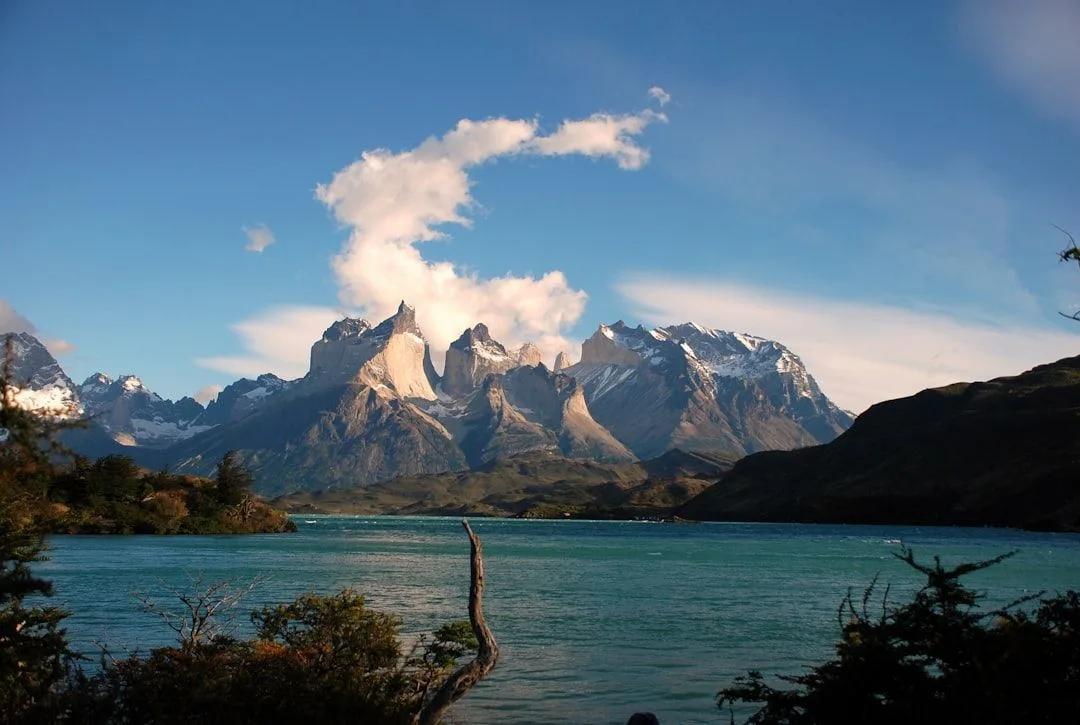
New Zealand's tramping is world-class and its most famous routes operate what amounts to a booking lottery. Understanding the system decides whether the trip happens.
The Great Walk booking problem
Nine designated Great Walks, booked through the Department of Conservation, with the following season's bookings opening on published dates.
The popular ones — the Milford above all, then the Routeburn and Kepler — sell out within minutes.
Set a reminder for the exact opening time and be logged in. This is not an exaggeration of the demand.
The season runs roughly late October to April, when huts are fully serviced.
The alternatives, which are better than the queue implies
New Zealand has hundreds of tracks outside the nine, using the same DOC hut network with far less competition.
Nelson Lakes — Travers-Sabine circuit, alpine lakes and beech forest.
Mount Aspiring — the Rees-Dart and Cascade Saddle, which are harder and emptier than the Routeburn beside them.
The Richmond Ranges, on the Te Araroa route.
The Kaimanawas and Tararuas in the North Island.
Most use a hut pass rather than individual bookings, which removes the scramble entirely.
The two islands differ
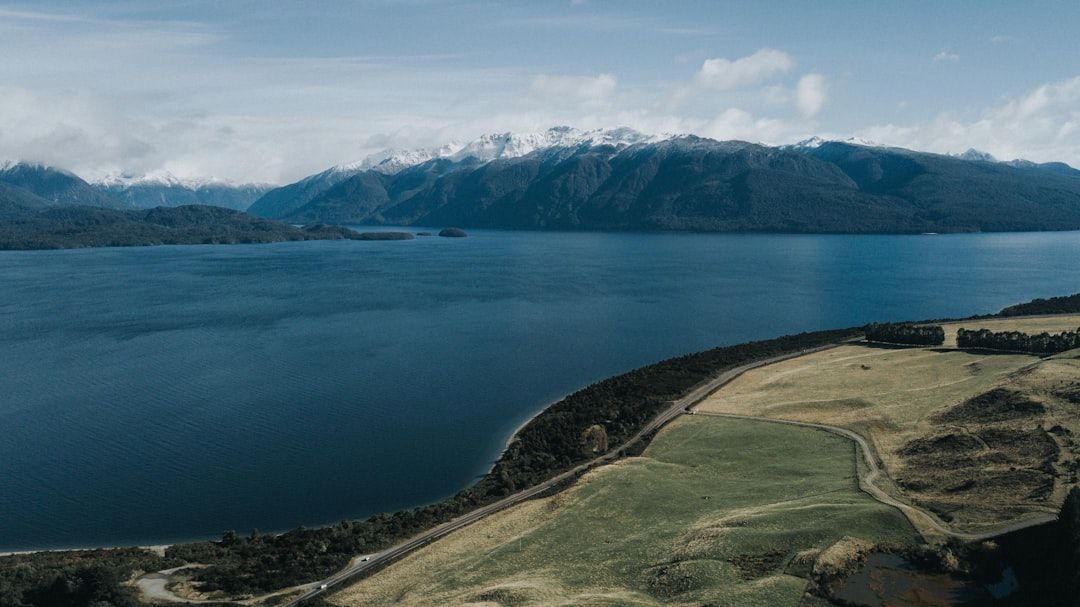
South Island — the Southern Alps, glaciers, fiords, and the serious mountain terrain. Fiordland, Mount Cook, Mount Aspiring, Nelson Lakes.
North Island — volcanic. The Tongariro Alpine Crossing is a day walk across an active volcanic landscape and is the most-walked track in the country, with a shuttle system and, at times, parking restrictions to manage numbers.
Taranaki and the Whanganui River journey by canoe.
The other adventure
Queenstown is the commercial adrenaline centre — bungy, jet boats, skydiving, canyon swings — and it is expensive and well run.
Sea kayaking in Abel Tasman and the Marlborough Sounds.
Glacier walks and heli-hikes on Fox and Franz Josef, which have retreated substantially and now generally require a helicopter to reach the ice.
Skiing, roughly June to October, at Queenstown and Wanaka's fields and Mount Ruapehu in the north.

The hazards
Weather changes fast and the tracks are exposed. Four seasons in a day is a cliché because it is accurate.
River crossings are the leading cause of tramping deaths. Rivers rise fast after rain, and the correct response to an uncrossable river is to wait, not to attempt it.
Sandflies on the west coast and in Fiordland are relentless. Repellent is not optional.
Carry a locator beacon on remote routes; they are rentable cheaply and DOC recommends them.
Practical
Register your intentions and tell someone your plan and return date.
Book Great Walks the day bookings open, or plan around the alternatives from the start.
A hut pass covers most non-Great-Walk huts for a season and is inexpensive.