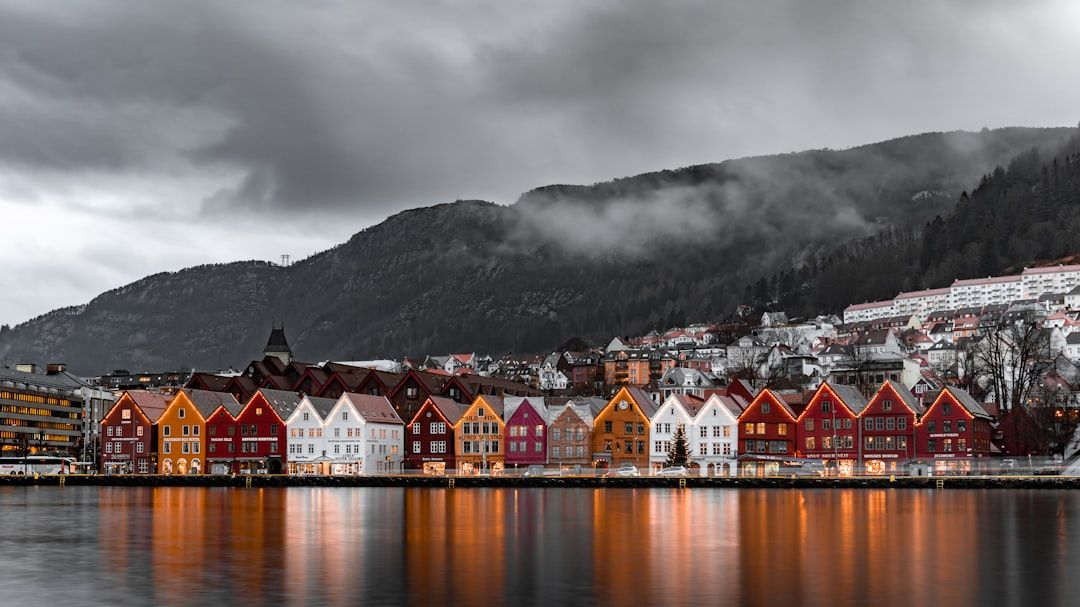
Norway is one of the most expensive countries in Europe and one of the cheapest to sleep in, because the law lets you camp almost anywhere.
Allemannsretten
The right to roam, and it is a genuine legal right rather than a tolerated practice.
You may camp on uncultivated land, for up to two nights in one spot, at least 150 metres from the nearest inhabited house or cabin, leaving no trace.
Fires are restricted in forest during the summer fire season — check local rules.
This single provision transforms the cost of a Norwegian trip, and it applies to walking, skiing, cycling and paddling.
The DNT huts
Several hundred mountain huts run by the Norwegian Trekking Association.
Staffed lodges with meals and beds. Self-service huts stocked with food, which you unlock with a standard members' key and pay for by honesty system. Unstaffed shelters with basic provision.
Membership pays for itself quickly and includes reciprocal rights with alpine clubs elsewhere in Europe.
Routes are marked with red T painted on rock, and in winter with branches.
The famous three
Preikestolen (Pulpit Rock) — a flat cliff 600 metres above Lysefjord. Four hours return, steady ascent, no technical difficulty. Extremely busy in July, with no barriers at the edge. Early or late in the day is considerably better.
Trolltunga — a rock tongue over a lake. Ten to twelve hours round trip with substantial ascent, and people underestimate it every summer. Parking is charged and limited; shuttles run in season. Sensible without winter equipment roughly mid-June to mid-September.
Kjeragbolten — a boulder wedged in a chasm, reached by a route with chains, and the photograph is the point.
The better, quieter options
Jotunheimen — the highest mountains in northern Europe, with Besseggen, a ridge walk between two differently coloured lakes, and Galdhøpiggen, the highest peak.
Rondane and Hardangervidda, Europe's largest mountain plateau, with wild reindeer.
Lofoten — peaks rising straight from the sea above white beaches, with short sharp hikes and the midnight sun.
Senja, further north and less visited.
Winter
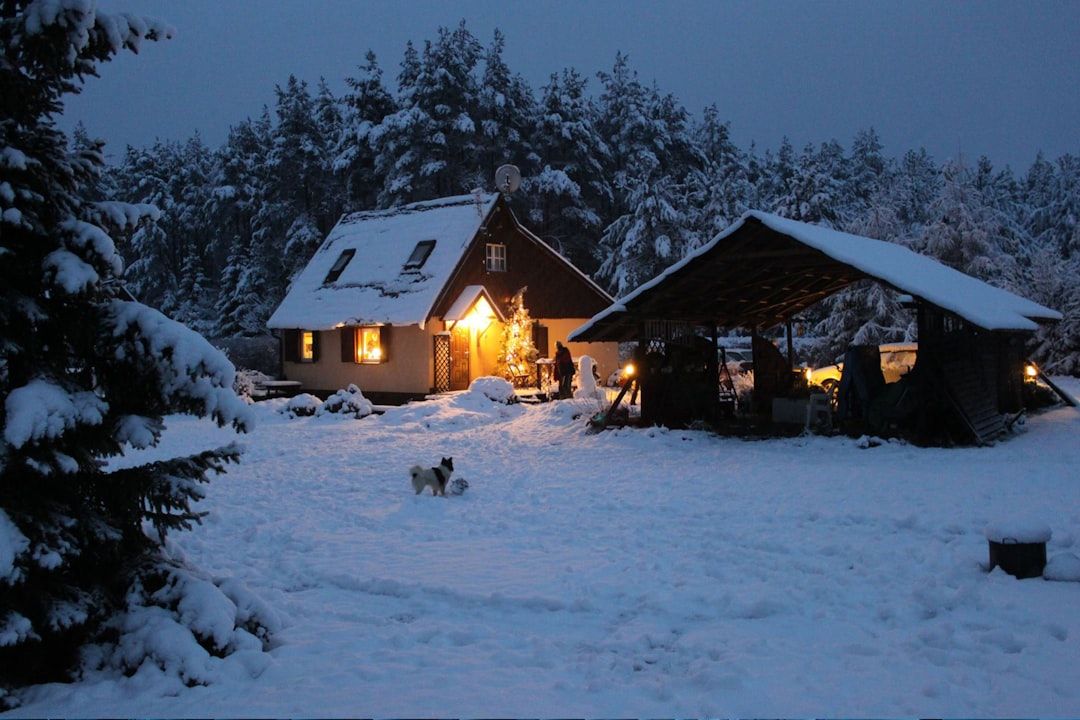
Ski touring is the national activity, and the DNT hut network operates in winter with marked routes.
Lyngen Alps for ski mountaineering to the sea.
Northern lights from roughly September to March above the Arctic Circle.
Dog sledding and ice climbing at Rjukan, which has one of the largest concentrations of ice routes in Europe.
Costs and how to cut them
| Item | Approach |
|---|---|
| Accommodation | Wild camp or DNT huts |
| Food | Rema 1000, Kiwi, Coop Extra |
| Transport | Public ferries are ordinary fares |
| Water | Streams, and excellent tap water |
The public car and passenger ferries cross the fjords as ordinary transport at ordinary prices — the scenery is identical to the excursion versions.
Practical
Season: late June to September for the high routes, with mountain roads closed outside it.
Weather changes fast and the plateaus are exposed with no shelter.
Register longer routes and tell someone your plan.