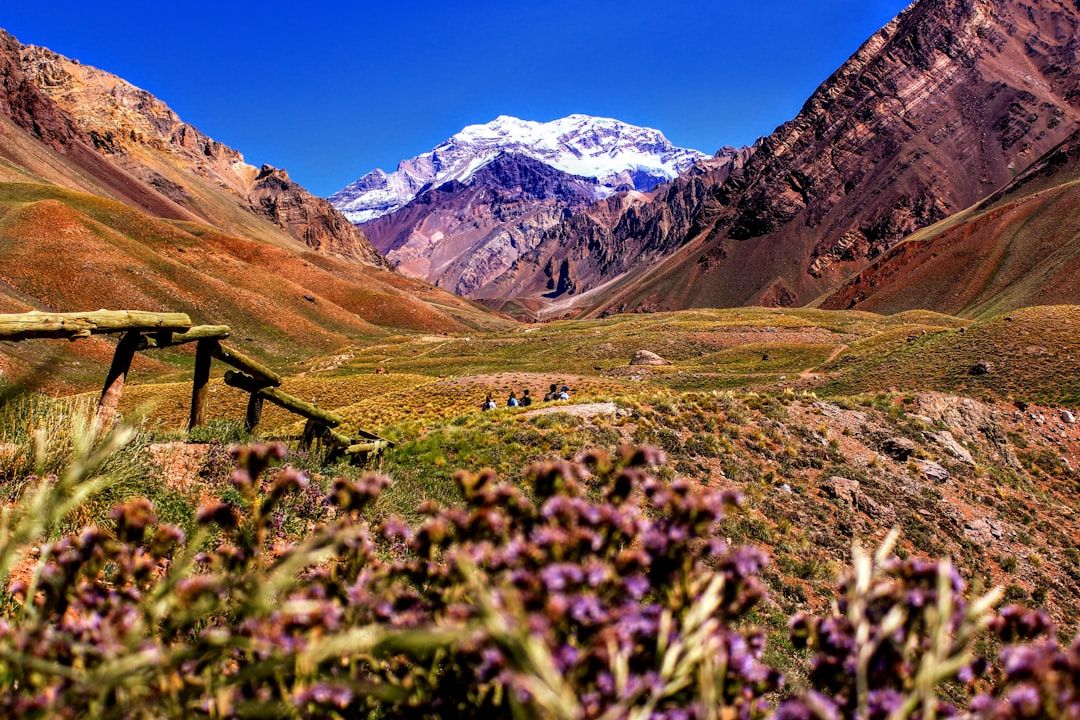
Patagonia's weather is not a variable to plan around. It is the central fact of the place, and the wind in particular determines how the days actually go.
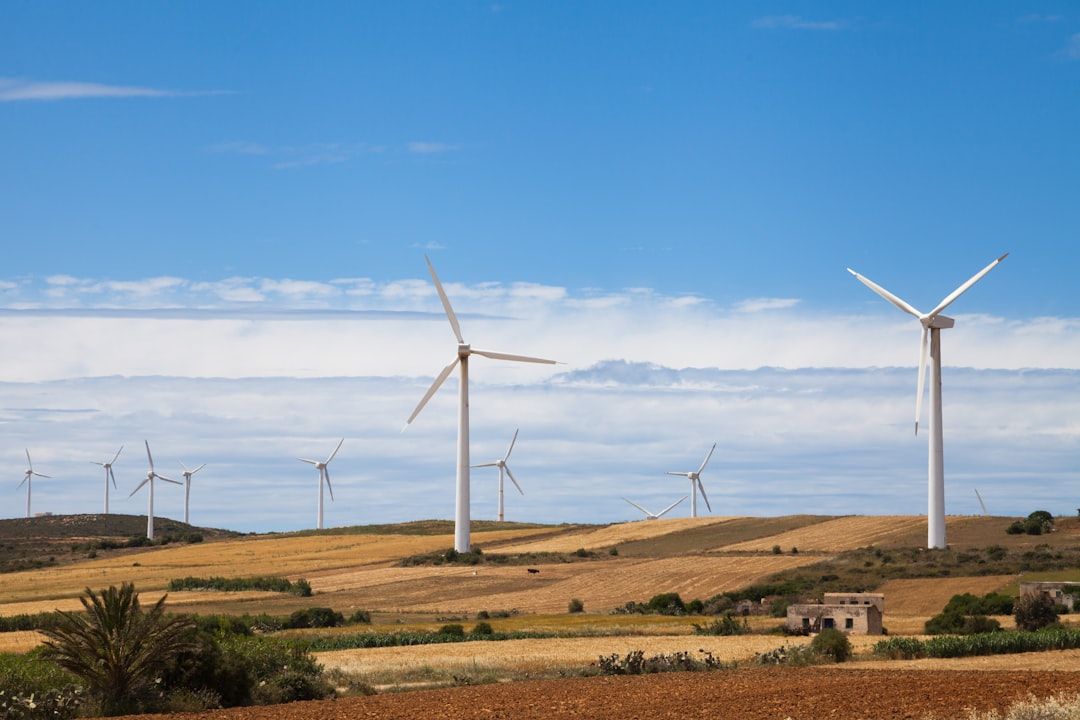
The wind
Sustained winds exceeding 100 km/h on exposed sections are routine from November to February.
It affects walking pace, whether ridges are passable, and what tent survives the night. Cheap tents fail here, and this is not a theoretical warning.
It also affects mood over a long trip in a way people underestimate.
March and late October to November are quieter and, in some years, more settled.
Torres del Paine, which must be booked
Chile's headline park, with the W (four to five days) and O circuit (seven to nine).
Reserved accommodation is required for every night — refugios or campsites — and the park will not permit the trek without it.
Bookings open months ahead through several separate operators, which is the confusing part: different sections of the route are run by different companies, and you book each independently.
Popular dates fill quickly. Start this early.
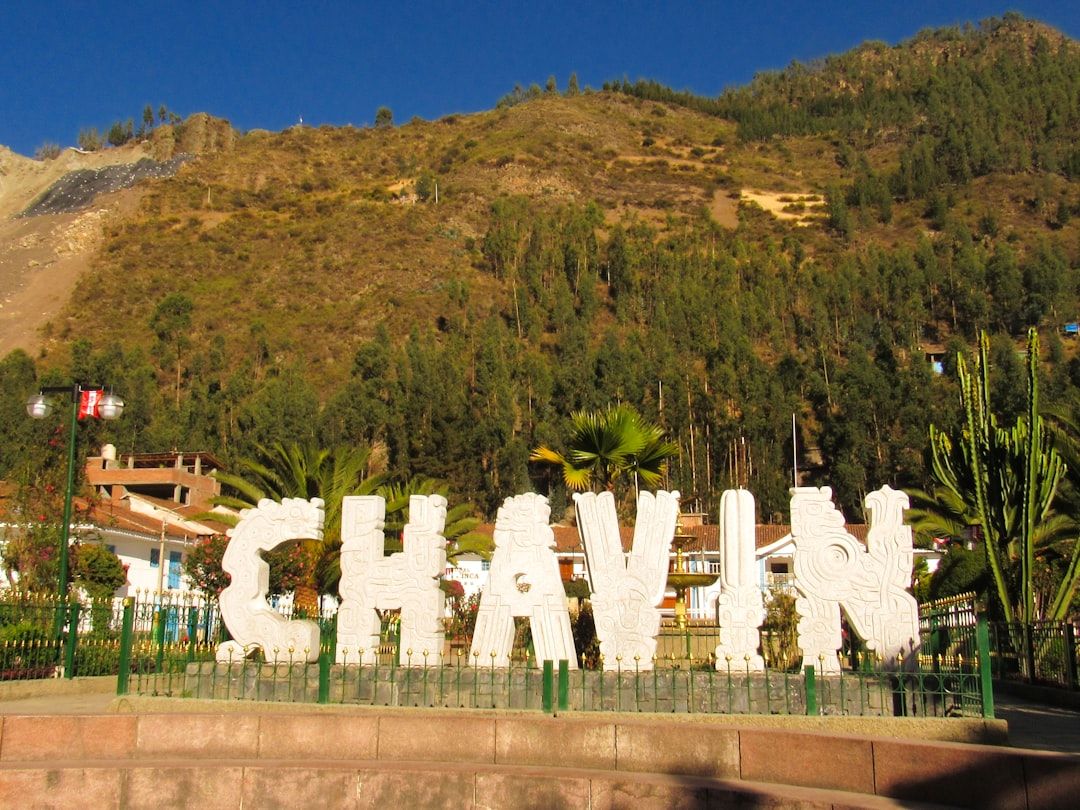
El Chaltén, which is free
The major difference, and the reason many people prefer the Argentine side.
The trails start from the town itself, need no permit and no booking.
Laguna de los Tres beneath Fitz Roy — roughly 20 km return, with a steep final kilometre, and one of the best day walks in South America.
Laguna Torre beneath Cerro Torre, gentler.
Loma del Pliegue Tumbado for the view of both.
Free camping areas exist along the trails, and the town is set up entirely for walkers.
The rest of it
Perito Moreno glacier, near El Calafate — one of the few glaciers not retreating, with walkways at the calving face and ice-trekking on the surface.
Tierra del Fuego and Ushuaia, the departure point for Antarctic voyages.
The Carretera Austral in Chile — 1,200 km of largely unpaved road through fjords, forest and glaciers, best by vehicle or bicycle over weeks.
Bariloche and the Lake District, further north, with a hut network and easier terrain.
Valdés Peninsula on the Atlantic, for whales, elephant seals and penguins.
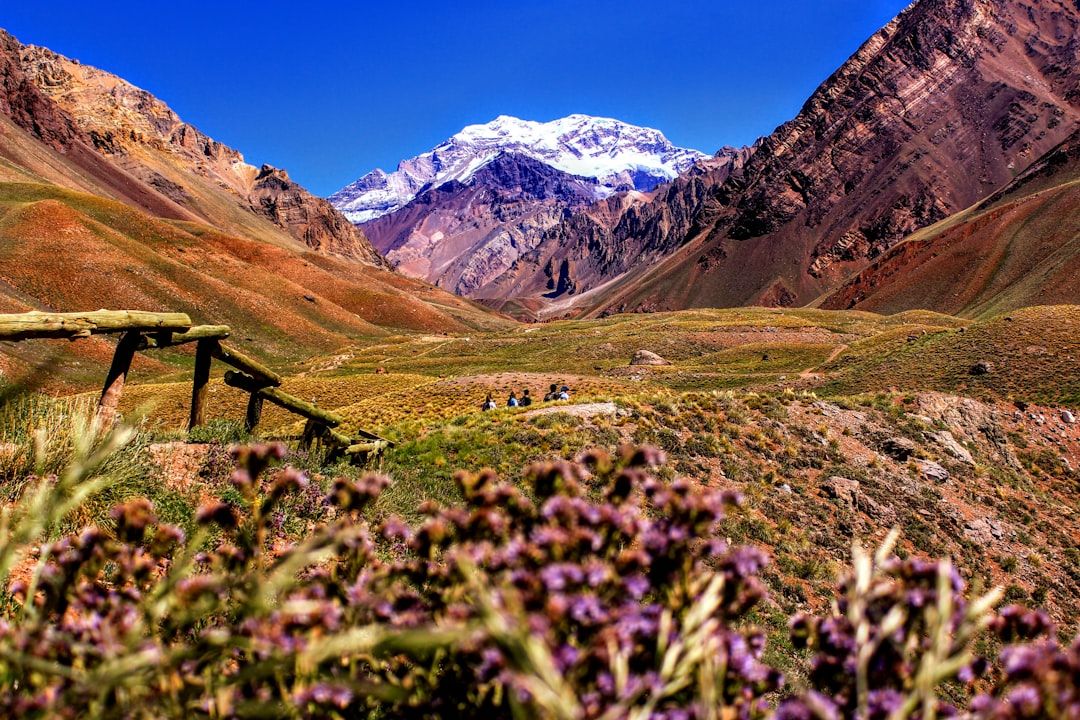
Crossing between Chile and Argentina
Common on Patagonian itineraries and worth planning.
Border posts have limited hours and are far apart. Bus schedules between El Calafate, El Chaltén, Puerto Natales and Punta Arenas are seasonal and fill.
Do not carry fresh produce, meat or dairy across — agricultural controls are strict and enforced.
Practical
Layers, and a genuinely windproof shell. Waterproof is not the same as windproof and here the second matters more.
A four-season tent if camping, and stake it properly.
Distances are enormous and transport is infrequent. Build buffer days.
Cash in smaller towns, and check the current situation with Argentine currency close to travel, since it has changed repeatedly.