Peru's most famous trek runs on a fixed daily quota that sells out months ahead. The alternatives are harder, emptier, and in some respects better — and they are what most people should be looking at.
The permit problem
The Inca Trail has a fixed daily quota covering trekkers, guides and porters together — which means the trekker allocation is a fraction of the headline number.
Permits sell out five to six months ahead for peak season, are non-transferable, and can only be bought through licensed operators.
The trail also closes in February for maintenance.
If the dates are fixed and the permits are gone, that is the end of it.
The alternatives
Salkantay — higher, harder, no permit required. Crosses a 4,600-metre pass beneath a glaciated peak and descends into cloud forest. Five days, and increasingly popular but not quota-limited.
Lares — lower, through weaving villages, with more cultural contact and less dramatic terrain.
Choquequirao — a large Inca site, comparable in scale to Machu Picchu, reachable only on foot via a punishing descent and ascent of a canyon. Four to five days return, and it receives a tiny fraction of the visitors.
The train to Aguas Calientes, which is what most visitors to Machu Picchu take, and there is no shame in it.
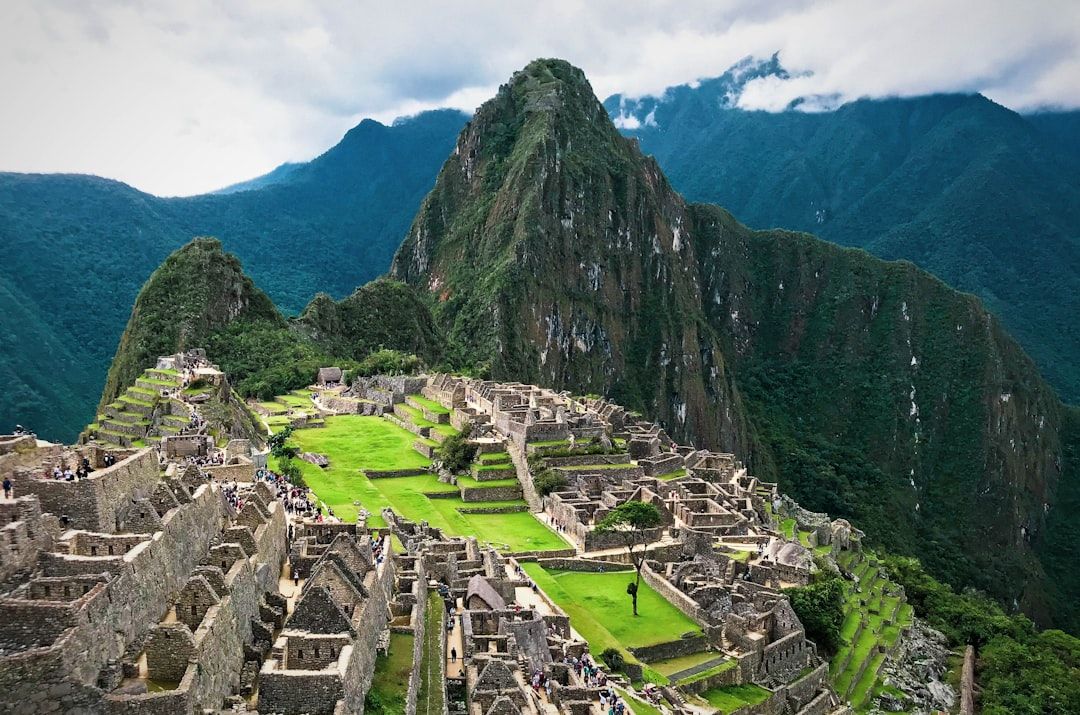
Machu Picchu itself
Entry uses timed slots and designated circuits, and the rules have changed repeatedly in recent years.
Huayna Picchu and Machu Picchu Mountain are separate limited tickets and sell out.
Check the current ticketing arrangement close to booking rather than relying on older descriptions — this is the most frequently outdated information about Peru.
The Cordillera Blanca
The best mountain trekking in Peru, and most visitors never get there because it has no Inca ruins.
The highest peaks in the tropics, based from Huaraz.
The Santa Cruz trek — four days, accessible, with turquoise lakes beneath 6,000-metre faces.
The Huayhuash circuit — eight to twelve days, high, remote, and one of the finest mountain circuits anywhere.
Laguna 69 as a demanding day walk.
Season is roughly May to September, the dry months.
Altitude
Cusco sits at around 3,400 metres, and most visitors arrive by air from sea level.
At least two full days before any trek. The Sacred Valley is lower and is a better place for the first nights, which many itineraries now build in deliberately.
Huaraz is at 3,050 metres with treks going much higher — the same rule applies.
Coca tea helps with symptoms and does not substitute for acclimatisation.
Beyond the mountains
Colca Canyon, near Arequipa — condors, and a demanding descent and climb.
The Amazon from Puerto Maldonado or Iquitos, with the Tambopata and Pacaya-Samiria reserves.
Huacachina for sandboarding, and Máncora for surf.
Practical
Porter welfare is a real issue. Reputable operators limit loads, provide proper equipment and pay properly; the cheapest do not. Ask directly.
Insurance covering trekking altitude and evacuation.
Book Inca Trail permits five to six months ahead, or plan around Salkantay from the start.