South Africa offers world-class mountain walking and diving at costs well below equivalent destinations, alongside a wildlife tourism sector that requires genuine scrutiny before booking.
The Drakensberg
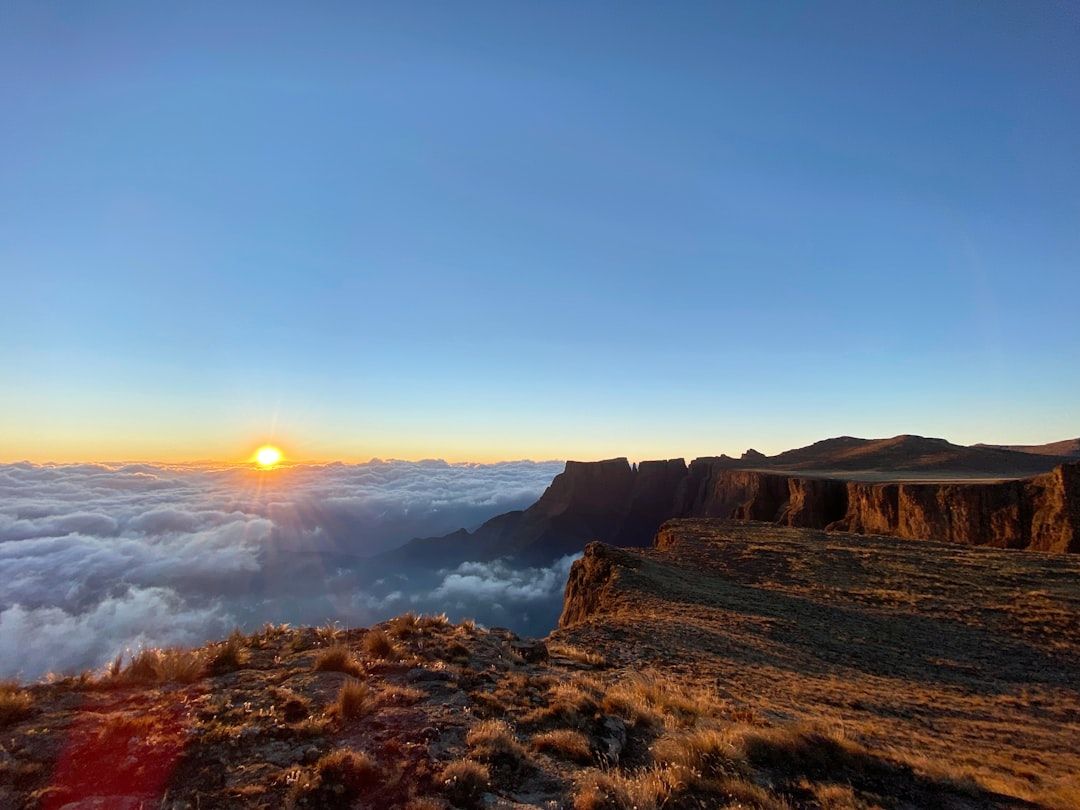
The best mountain range in the country for walking — basalt escarpments rising over 3,000 metres.
The Amphitheatre, a five-kilometre wall of rock, with the Tugela Falls dropping off it. The route to the top involves chain ladders and reaches the escarpment plateau.
Cathedral Peak and the Injisuthi and Giant's Castle areas for multi-day routes.
Rock art in overhangs throughout, some thousands of years old.
Weather changes fast and the escarpment can be in cloud and snow while the valley is warm. The higher plateau crosses into Lesotho — carry a passport on routes that do.
The Cape
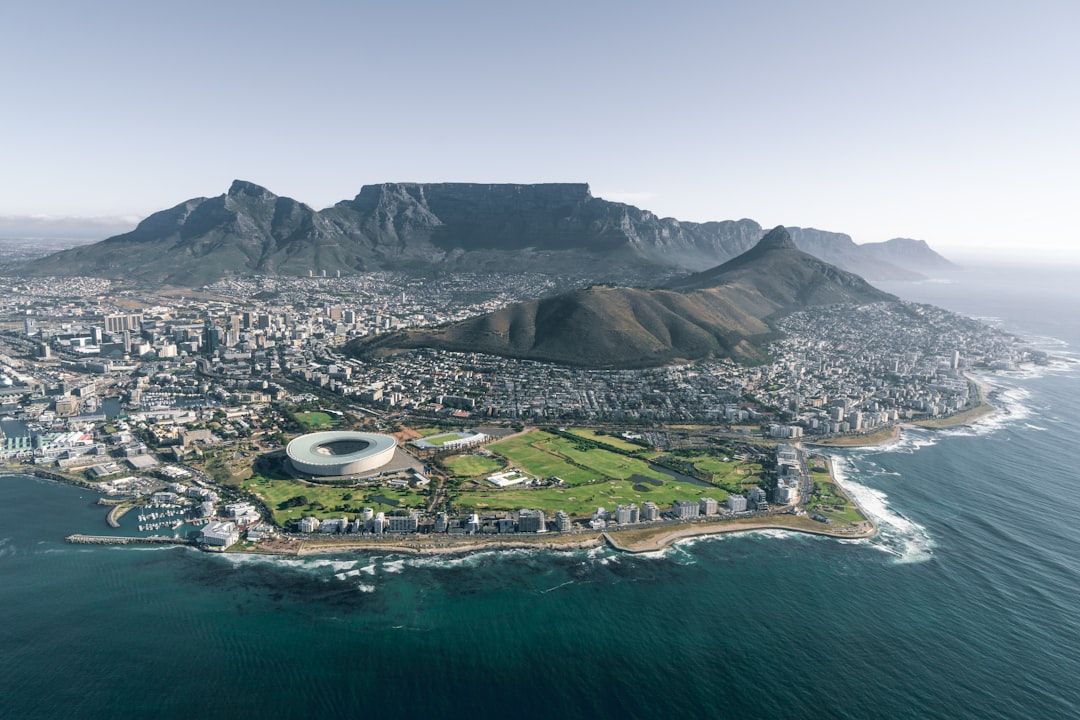
Table Mountain — the Platteklip Gorge route is a steep two to three hours with no shade and no technical difficulty.
The cable car closes frequently in wind. Go up on the first clear, still morning of your trip rather than saving it.
Lion's Head at sunrise or full moon — shorter, with chains and ladders near the top, and the best view of the city.
The Cape Peninsula — Chapman's Peak Drive, Cape Point, and the Boulders Beach penguins.
Table Mountain National Park extends the length of the peninsula with dozens of trails.
The Garden Route
The Otter Trail — five days along the coast, hut-based, and one of the great coastal walks. Bookings open a year ahead and it sells out.
Tsitsikamma — the suspension bridge, kayaking up the Storms River gorge, and the world's highest commercial bungy at Bloukrans.
Knysna and Wilderness for paddling and forest walking.
Diving and the shark question
Sardine Run off the Wild Coast, roughly June to July — one of the largest marine feeding events on earth, and a serious dive proposition.
Aliwal Shoal and Protea Banks for shark diving without a cage, for experienced divers.
Shark cage diving at Gansbaai and Mossel Bay uses chum to attract great whites, and researchers disagree about whether it alters shark behaviour toward boats.
Operators vary. Choosing one that works with researchers and follows permit conditions is the meaningful distinction rather than avoiding it entirely or ignoring the question.
The activities to avoid
Cub petting, walking with lions, and predator interactions.
These are linked to the captive predator breeding industry and have no conservation value. Cubs handled by tourists do not return to the wild.
Reputable sanctuaries do not allow hands-on contact with predators and will explain their rescue and non-breeding policies clearly. Operations that cannot answer those questions are answering them.
Practical
A car is necessary for the Drakensberg, the Garden Route and the peninsula.
Safety varies by area. Take local advice on which places are fine on foot, avoid walking between areas at night, and use ride-hailing after dark in cities.
Load-shedding — scheduled power cuts — has affected the country for years. Check whether accommodation has a generator.
Season: Drakensberg is best in the dry winter, April to September, though cold. The Cape is best October to April.