The difference between an ambitious trip and an expedition is usually infrastructure. Some countries have built the huts, waymarking and rescue systems that make serious routes accessible; some have not, and that changes what you need to carry and know.
Hut networks
Staffed mountain refuges providing a bed and meals, which means carrying a daypack rather than a full load.
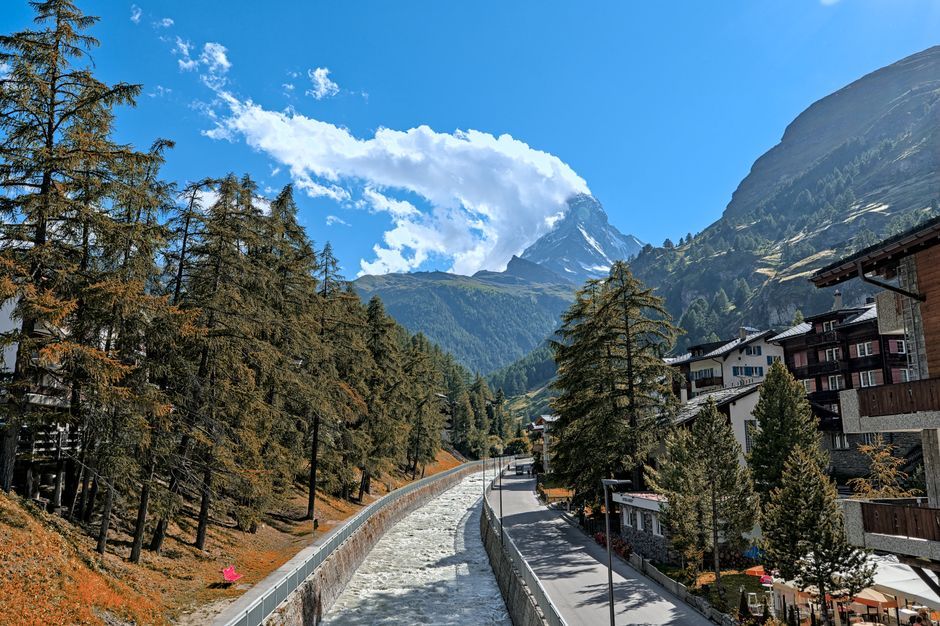
The Alps — Switzerland, France, Italy, Austria, Slovenia — with the densest network in the world. The Tour du Mont Blanc, the Haute Route and the Alta Via routes all run on it.
The Dolomites, where the rifugi serve proper Italian food and the via ferrata network connects them.
The Pyrenees, both sides.
Norway, where the DNT network includes self-service huts you let yourself into with a standard key and pay for by honesty system.
New Zealand, with the DOC hut network and the Great Walks.
Book July and August in the Alps months ahead.
Right to roam
A legal right to walk and camp on uncultivated land.
Norway, Sweden, Finland — allemannsretten — and Scotland under its own access legislation.
Terms vary and typically require camping away from dwellings, a limit of a night or two in one spot, and leaving no trace.
This makes wild camping straightforward and legal, which changes the economics of a trip in expensive countries entirely.
Waymarking
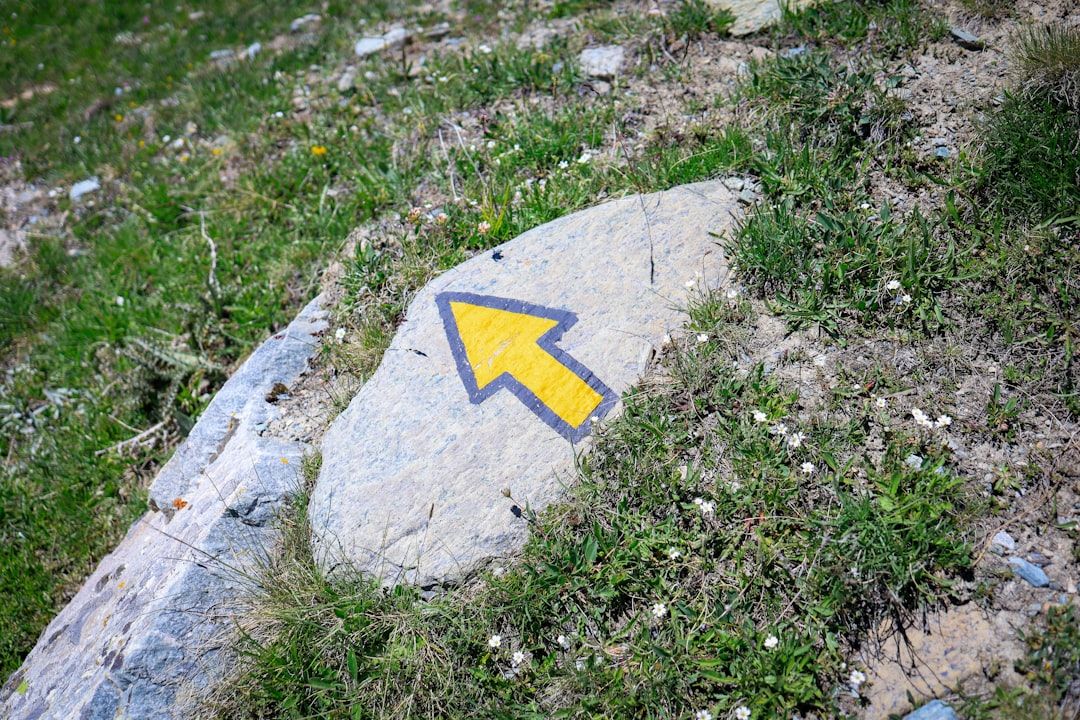
Switzerland — yellow signposts giving walking times to a national standard, and they are accurate. White-red-white markings indicate mountain paths, white-blue-white alpine routes.
France's GR network, red-and-white flashes, running the length of the country.
Austria and Germany, similarly systematic.
Japan, where mountain trails are consistently signed and the hut system is extensive.
In these places independent walking needs a map and the ability to read a sign.
Where it is thinner
Patagonia — spectacular, with limited infrastructure outside the main national parks, and weather that changes faster than almost anywhere.
The Andes outside the trekking corridors, where the routes are real and the signage is not.
Central Asia — the Pamirs, the Tien Shan — where the mountains are extraordinary and the logistics are the trip.
Much of Africa's high country, where guides are required and are also the practical answer.
Rescue, which is a real cost
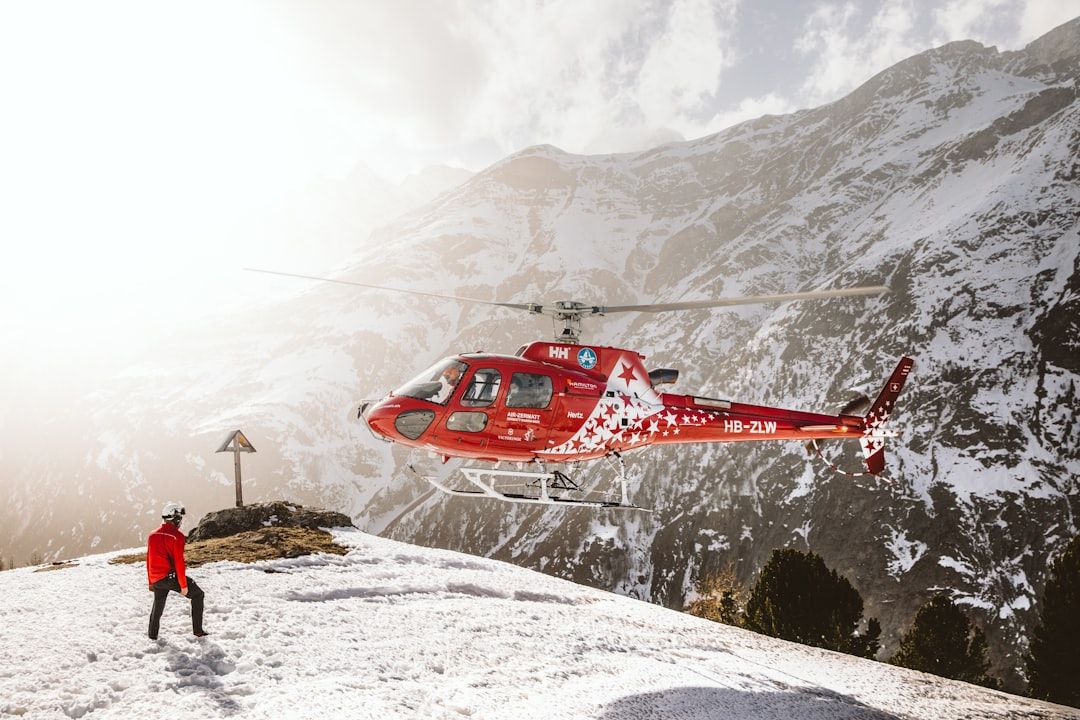
Charged to the individual in several Alpine countries, running into thousands.
Publicly funded in others.
Alpine club membership — the Austrian, German, Swiss and Italian clubs — frequently includes rescue cover across several countries, plus hut discounts. It is often cheaper than a specialist insurance policy and worth pricing.
What this means for choosing
For a first ambitious trip, go where the infrastructure carries some of the risk: the Alps, Norway, New Zealand, Japan.
Save Patagonia, the Pamirs and remote Andean routes for when the skills are established — not because they are impossible, but because the margin for error is smaller.