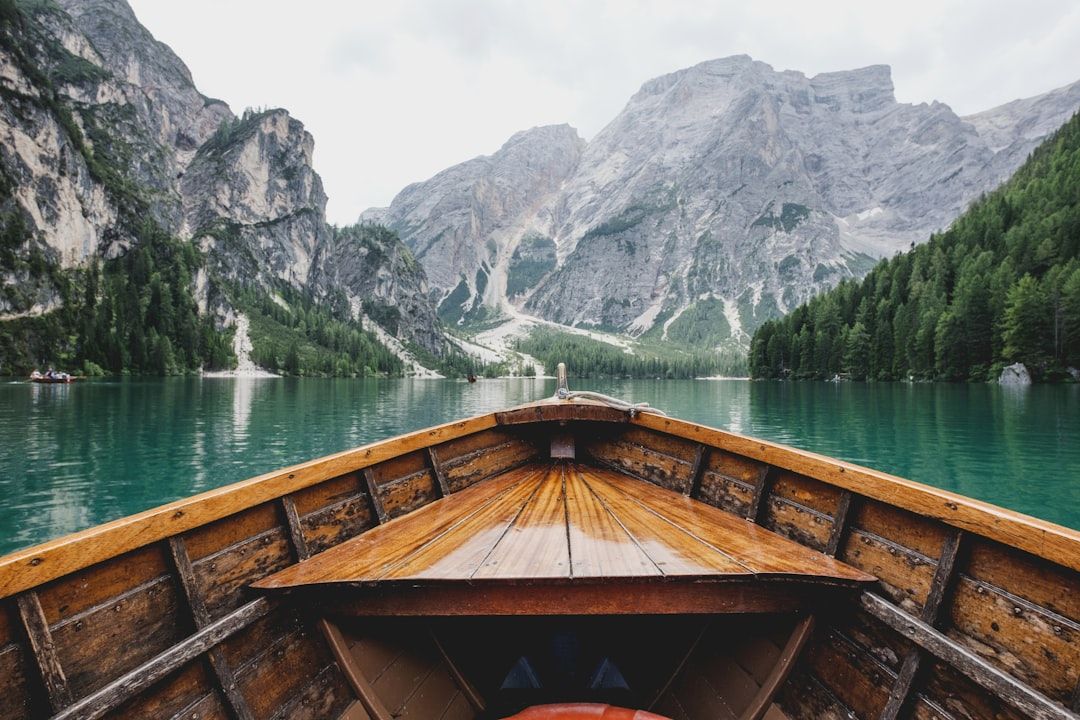
A handful of routes dominate every list of great treks. They are not equally good, and some of the crowds are better spent elsewhere.
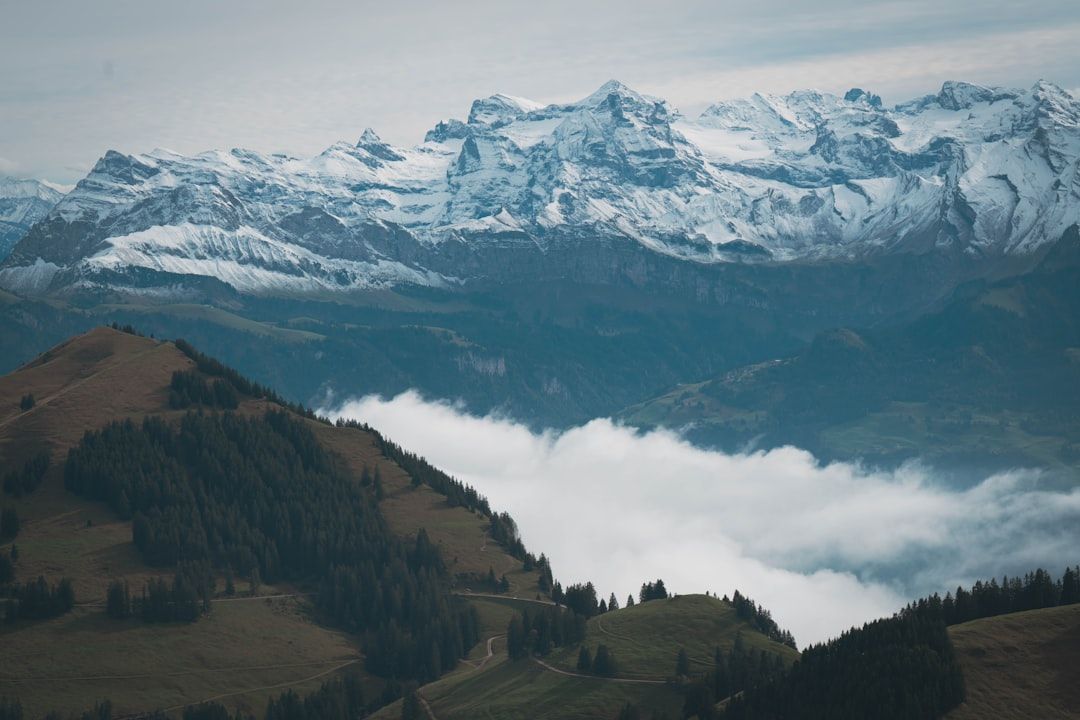
Deserves the reputation
The Tour du Mont Blanc — eleven days circling the massif through France, Italy and Switzerland, with excellent huts and genuinely spectacular terrain the whole way.
It is also the busiest long route in the Alps, and huts book months ahead for July and August. Going in September is quieter and still fully serviced.
Alta Via 1, Dolomites — about a week, non-technical but sustained, passing beneath the limestone towers. The rifugi serve proper Italian food. The most accessible of the great Alpine routes and, for many, the most beautiful.
The Laugavegur, Iceland — four days through rhyolite mountains, black sand and glacial rivers. Short, and unlike anywhere else.
The Huayhuash circuit, Peru — eight to twelve days, high, remote, and one of the finest mountain circuits anywhere with a fraction of the traffic of the Cusco region.
Harder than people expect
The GR20, Corsica — widely considered the hardest waymarked long-distance route in Europe. Roughly fifteen days of steep, rocky, exposed terrain with substantial daily ascent and some scrambling.
The northern half is considerably harder than the southern, and many walkers sensibly do one half.
The West Coast Trail, Canada — ladders, cable cars, tidal sections and deep mud over 75 km. Evacuations are common.
Trolltunga, Norway — sold as a photograph, and it is ten to twelve hours round trip.
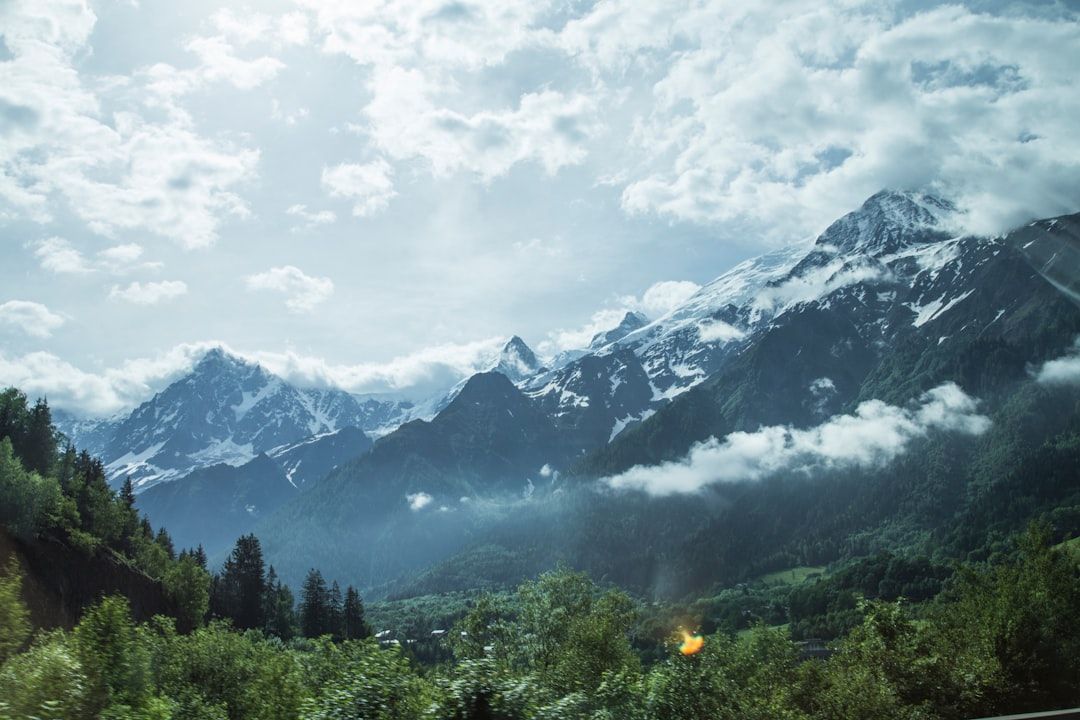
Busy, and still worth it
Everest Base Camp — busy in season, with teahouses full and a steady stream of walkers. The scale of the mountains still dominates everything.
Anyone wanting solitude should look at Manaslu or the Cordillera Blanca instead.
Torres del Paine's W — requires booked accommodation for every night through several separate operators, which is the most annoying booking process in trekking. The terrain justifies it.
The Inca Trail — a fixed daily quota selling out five to six months ahead. Salkantay is higher, harder and needs no permit.
Underrated
The Kungsleden, Sweden — 440 km through Arctic wilderness, with huts, and almost nobody outside Scandinavia walks it.
The Alta Via 2, Dolomites — harder than the AV1 and much quieter.
The Kumano Kodo, Japan — ancient pilgrimage routes through cedar forest, with onsen at the end of the days.
Choquequirao, Peru — a large Inca site reachable only on foot, with a punishing canyon descent and ascent, and a tiny fraction of Machu Picchu's visitors.
The Transcaucasian routes in Georgia and Armenia, where the mountains are extraordinary and the infrastructure is developing fast.
The comparison table
| Route | Days | Difficulty | Booking |
|---|---|---|---|
| Alta Via 1 | 7 | Moderate | Huts, months ahead in peak |
| Tour du Mont Blanc | 11 | Moderate, sustained | Huts, months ahead |
| Laugavegur | 4 | Moderate | Huts book early |
| GR20 | 15 | Hard | Refuges, limited |
| EBC | 14 | Altitude, not technical | Guide rules — check current |
| Torres del Paine W | 5 | Moderate | Mandatory, multiple operators |
| Huayhuash | 8–12 | Hard, high | Minimal |
The general rule
The routes with the hardest booking systems are famous, and the ones a valley over are frequently as good and empty.