
Adventure activities abroad operate under wildly varying regulation. The country matters less than the specific operator, and there are questions that separate them.
The four questions
Who certifies you? Most activities have an international or national body — dive agencies, mountain guide associations, parachute federations, rafting bodies. An operator should name theirs without hesitation.
How long have your guides worked here? Local experience matters more than qualifications on remote or technical terrain.
What is the guide-to-client ratio? This is the number that most directly determines safety, and it is the number cheap operations cut.
What happens in an emergency? How far is the nearest hospital, what communications do you carry, who is the evacuation provider.
An operator who answers all four clearly is demonstrating something. One who deflects is also telling you something.
The red flags
A price far below competitors. Safety costs money — equipment replacement, ratios, training, insurance. Something has been cut.
Worn or improvised equipment. Frayed webbing, taped repairs, mismatched gear.
No safety briefing, or one delivered as a formality.
Pressure to sign a waiver without reading it.
Guides who dismiss questions rather than answering them.
Running in marginal weather. An operator who cancels rather than losing the booking is the one to trust. One who pushes on is the opposite.
Insurance, which people get wrong
Standard travel policies commonly exclude:
Skydiving and bungy. Climbing and mountaineering. Diving beyond a stated depth or without qualification. Off-piste and backcountry skiing. Motorcycling without the correct licence category. Trekking above a stated altitude.
Read the exclusions, not the summary. The cost being insured against is an evacuation, which runs into five figures in remote regions.
Note also that many policies void cover entirely if you were under the influence of alcohol at the time — which matters for activities booked casually on holiday.
Diving specifically
Qualifications from PADI, SSI, BSAC and other major agencies are mutually recognised worldwide.
A dive centre will ask for your card and logbook. Refusing to take someone beyond their certification is a sign of a good operation, not an obstruction.
If you have not dived in a while, take a refresher. Buoyancy skills degrade.
No flying for 18–24 hours after diving — build this into the itinerary rather than discovering it on the last day.
The activities where the country matters
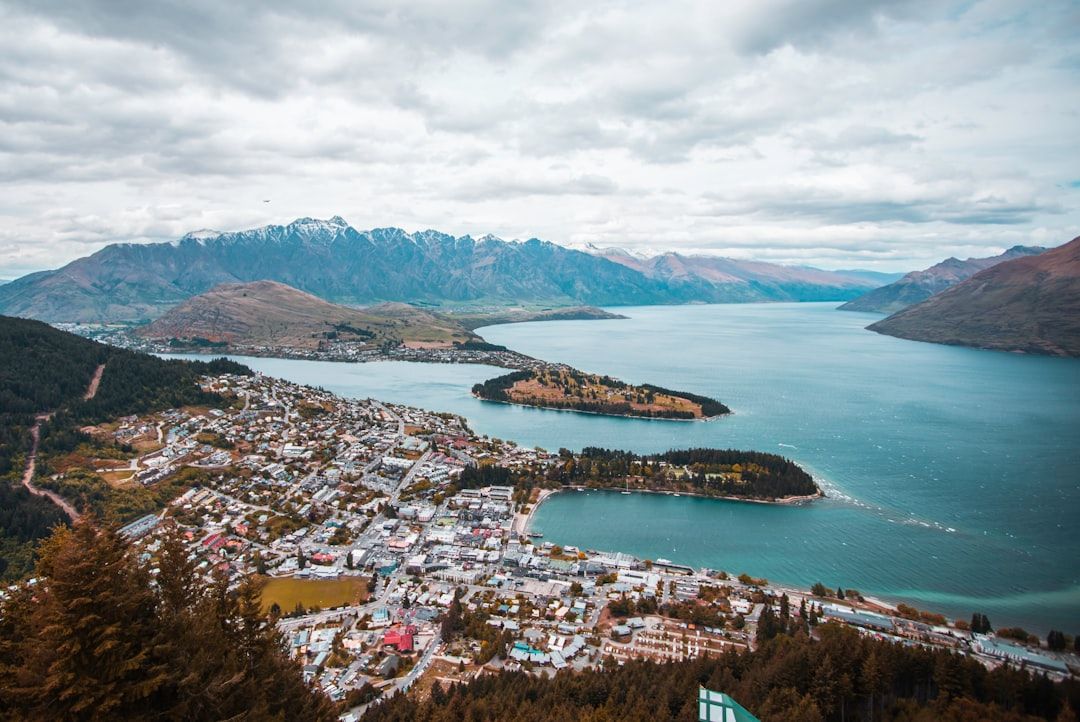
Skydiving and bungy — heavily regulated in New Zealand, Switzerland, the US and most of Europe; variably elsewhere.
Rafting — guide certification varies enormously, and river grades are not applied consistently between countries.
Mountain guiding — the IFMGA qualification is the international standard and is worth asking for on technical terrain.
Scooter and motorbike rental — the most common cause of serious injury to travellers, and the one where the licence question actually determines whether you are insured at all.
The judgement to keep
You are allowed to walk away after paying.
If the equipment looks wrong, the briefing is absent, or the guide seems unconcerned about conditions, losing the deposit is the cheap outcome.
Nobody has ever regretted turning back.